
Review · DOWNTOWN LA TOURS
The History and Architecture of Downtown Los Angeles
Downtown Los Angeles tells stories on foot. This 3-hour history and architecture walk connects the Historic Core, Little Tokyo, the Civic Center, and Bunker Hill with real building details and real local food stops. You’ll learn why these places look the way they do, and how LA went from a small town to a world-famous city.
What I like most is the way the tour mixes “wow” architecture with small, memorable experiences you can actually taste and ride. I especially love the included Angels Flight Railway ride to kick things off, and the stop for traditional Japanese mochi at Fugetsu-Do in Little Tokyo.
One possible drawback: the route is heavy on architectural evolution and Japanese American neighborhood history, so you’ll get less emphasis on Spanish and Mexican LA foundations than some other downtown history tours.
In This Review
- Key Things to Know Before You Go
- A 3-Hour Walk Through Downtown LA’s Power, Art, and Food
- Meet Chris at 341 S Hill St: Small-Group Format That Stays Friendly
- Angels Flight Railway: The World’s Shortest Ride With Big Bunker Hill Context
- Bunker Hill Art Stops: MOCA and The Broad (Free Tickets Included)
- Frank Gehry’s Walt Disney Concert Hall: Architecture You Can Hear in Your Head
- City Hall and Grand Park: How LA Grew From Town-Scale to City-Scale
- Little Tokyo: Neighborhood History, Then Fugetsu-Do Mochi
- St. Vibiana’s, Million Dollar Theater, and the Bradbury Building
- Spring Street Bank District Timeline and The Last Bookstore Vault
- Grand Central Market: Your Guided Food Finale
- Who This Tour Fits Best (and Who Might Want Another Angle)
- Should You Book This Downtown LA Architecture and Food Tour?
- FAQ
- How long is the Downtown LA history and architecture tour?
- What does the tour cost?
- What’s included, like tickets and food?
- Where does the tour start?
- Is the tour in English?
- How big is the group?
- Are service animals allowed?
- What happens if weather is bad?
Key Things to Know Before You Go
- Angels Flight is included, and it’s a great way to start understanding Bunker Hill’s changing neighborhood story
- You hit multiple major buildings in a tight 3-hour loop without feeling rushed or lost
- Free museum stops include MOCA, The Broad, and exterior-focused stops that still explain the designs
- Food is part of the lesson, not just a bonus, with mochi from Fugetsu-Do and a later market stop
- Small group size (max 15) keeps it conversational, with time to ask questions
- Chris leads this tour from the inside track, using photos and stories to make buildings easier to picture
Deeper into Downtown LA
- Old and New Downtown Los Angeles Walking Tour★ 5.0 · 222 reviews
- Culture and Arts Tour of Downtown LA with Angels Flight Ticket★ 5.0 · 142 reviews
- The History and Architecture of Downtown Los Angeles★ 5.0 · 94 reviews
A 3-Hour Walk Through Downtown LA’s Power, Art, and Food
This tour works because it keeps moving, but it doesn’t treat the city like a checklist. You get a guided thread that links architecture, civic growth, and neighborhood shifts, then you end with food in places locals still rely on.
At 3 hours approx., it’s long enough to change how you see Downtown LA, but short enough that you can still build the rest of your day without panic. The price is $39.20 per person, and the value is strongest when you remember what gets included (not just “look at this from the sidewalk”).
You’re also not stuck on one theme. One minute you’re riding a famous funicular, the next you’re looking at Bunker Hill’s art scene, and later you’ll trace the story of LA’s grand movie palaces and early bank district ambition.
Meet Chris at 341 S Hill St: Small-Group Format That Stays Friendly
The tour starts at 341 S Hill St, Los Angeles, CA 90013, and it returns you to that same meeting point. That matters more than people think. In Downtown LA, simple logistics save time and help you keep your bearings.
This is a small-group tour with a maximum of 15 travelers. That smaller size shows up in how the guide can respond to questions, including follow-ups when something sparks your curiosity. From the feedback I see, Chris also tends to keep the pace comfortable, with stops for shade when the weather is hot.
You’ll get a mobile ticket, and the tour is offered in English. It’s also near public transportation, so you’re not forced into a car just to get to the starting corner.
Because it’s a walking tour, plan on comfy shoes and sun protection. If the weather is poor, the experience may be canceled and you’ll be offered a different date or a full refund, so keep an eye on forecasts.
Angels Flight Railway: The World’s Shortest Ride With Big Bunker Hill Context
The tour opens with Angels Flight Railway, described as the shortest train ride in the world—and more importantly, it’s tied directly to how Bunker Hill developed. Instead of treating it like a novelty photo stop, you’re learning why this little link matters to the neighborhood above and below.
Then you ride it. And yes, it’s included in the tour price, so you don’t have to wonder if the cost adds up later. This is one of those “small time, big meaning” moments that sets the tone for the rest of the walk.
Why it works: the funicular is a physical reminder that LA has always been shaped by geography, elevation, and transportation. You’ll come away with a clearer mental map of how people moved through these areas when the city was growing fast.
Bunker Hill Art Stops: MOCA and The Broad (Free Tickets Included)
After Angels Flight, you shift into Bunker Hill’s art zone, with two major stops that are free for visitors. First is the Museum of Contemporary Art (MOCA), where the discussion includes the Pritzker prize–winning architect behind the building and the challenges the architect faced early on.
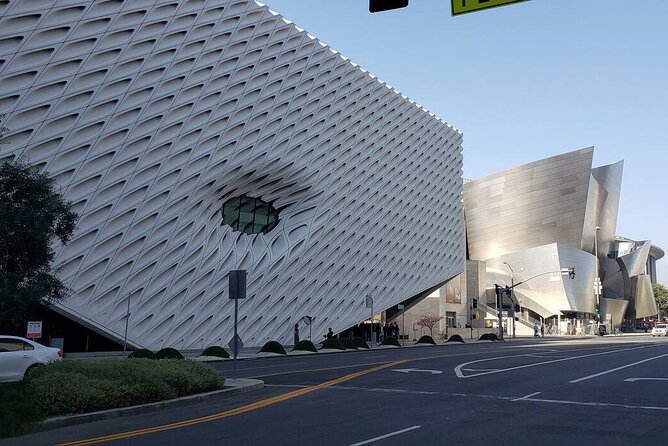
Next is The Broad. You’ll also get help with the proper pronunciation, which sounds small, but it’s a practical touch that keeps the vibe light while you learn. The stop focuses on both the architecture and the Pop Art collection inside.
Even though these are short stops (think about “quick, focused viewing” rather than a half-day museum plan), they do something useful for your brain: they show how modern LA culture sits right next to older city fabric.
If you’re someone who thinks art museums are too time-heavy, these free, guided glimpses are a good way to sample without committing your whole day.
More Los Angeles outings we have rated and written up
Frank Gehry’s Walt Disney Concert Hall: Architecture You Can Hear in Your Head
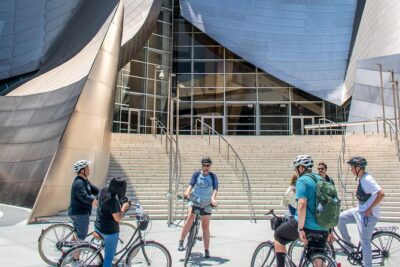
One of the most impressive stops on this walk is the Walt Disney Concert Hall. The design is credited to Frank Gehry, and the guide explains the building as a creative turning point—one where the story of how it was made becomes almost as interesting as the exterior itself.
You’ll spend about 15 minutes here, which is enough time to look, then listen to the explanation that helps the design click. If you’ve ever stared at a dramatic building and wondered what you’re supposed to notice, this stop is set up to solve that.
Practical note: this is Downtown, so give yourself time to cool down or shade up as you go. Based on feedback from past riders, the guide often tries to include breaks, which is smart when the sun is high.
City Hall and Grand Park: How LA Grew From Town-Scale to City-Scale
From the art and performance realm, the tour turns civic. At City Hall, you’ll walk through Grand Park while learning how LA morphed from a much smaller town into a city of millions.
This part is less about looking at a single building’s style and more about understanding systems: who had power, how leaders made decisions, and why the city’s center took the shape it did. You’ll also be connecting the dots between old and new LA—how the city’s growth shows up in its public spaces.
It’s a strong stop if you like history that explains why the city functions the way it does. It’s also useful for first-time visitors who find Downtown LA confusing at street level.
Little Tokyo: Neighborhood History, Then Fugetsu-Do Mochi
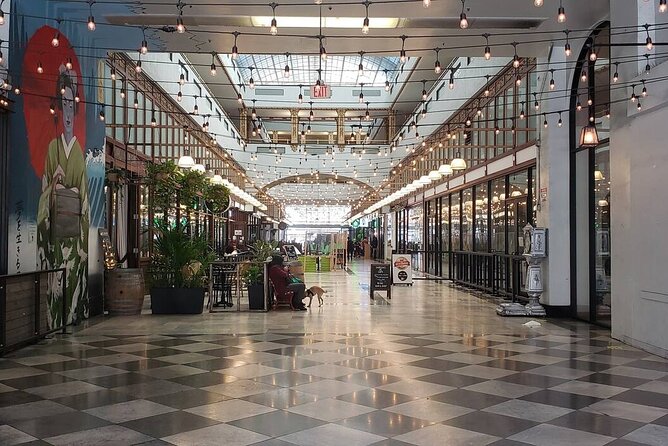
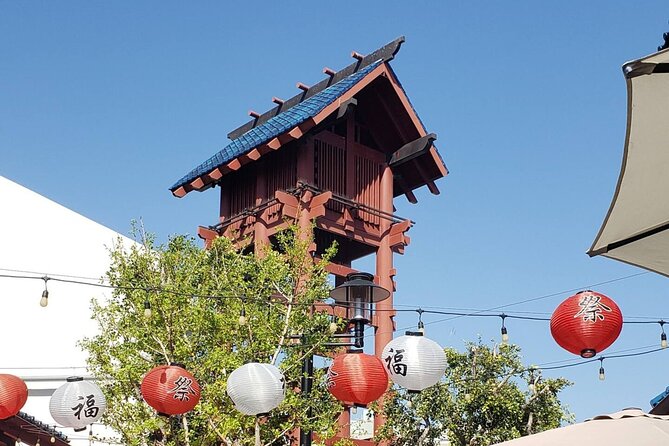
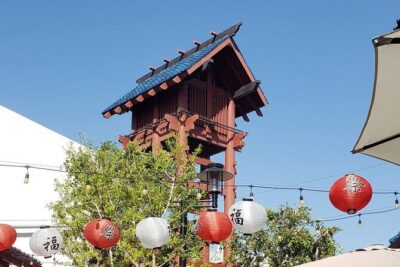
Then the tour shifts into Little Tokyo, and this is where the “food plus story” approach pays off. You’ll get a guided look at how Japanese communities shaped California and how that shows in Downtown LA.
During this portion, the guide points out legacy businesses, best restaurants, historic markers, and gives you context so you don’t just see storefronts. You also learn what to notice so you can keep exploring after the tour ends.
You also get a food stop that’s hard to replace with a casual detour: Fugetsu-Do. This family business has been operating since 1903, and you’ll sample their mochi. That’s the key difference between eating here and eating anywhere else: you’re tasting something tied to long-term community survival through major events, including two world wars and the Great Depression.
This is also one of the most photogenic parts of the tour. If you’re the type who enjoys learning while you snack, you’ll likely end this section feeling like Downtown LA has more heart than you expected.
St. Vibiana’s, Million Dollar Theater, and the Bradbury Building
After Little Tokyo, you move back into architectural icons.
You’ll pass Vibiana (St. Vibiana’s Cathedral), dating to 1876, and you’ll learn the context that at one time nearly one-fifth of LA’s population could fit inside the building. That kind of scale puts earlier Downtown LA into perspective fast.
Next is the Million Dollar Theater, part of the movie palace collection along Broadway in Downtown LA. The focus here is on the grand theaters that once hosted premieres, with the tour pointing to the level of Hollywood glamour that still echoes in the stonework and layout.
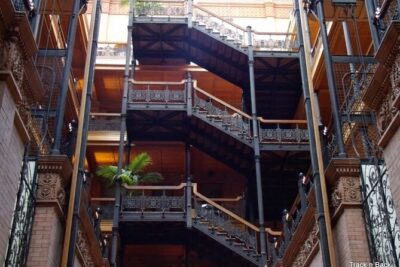
Then comes the Bradbury Building, often described as one of the most magnificent buildings around. You’ll spend time learning the story behind this 1893 masterpiece, and you’ll likely look at details differently once you know what you’re seeing.
These stops are short—about 5 to 10 minutes each—but they give you names and context you can carry into future walks. If you plan to come back to Downtown later, these are the stops that make returning easier.
Spring Street Bank District Timeline and The Last Bookstore Vault
Walking along Spring St., you get an architectural “timeline” effect. The tour explains how LA’s early bank district reflected wealth and ambition in the early 20th century, then watches styles change as you move: iron and steel, followed by styles like Beaux Arts and later Art Deco.
This is the kind of storytelling that makes architecture feel less academic. You start noticing materials, proportions, and why certain details got repeated when money wanted to look confident.
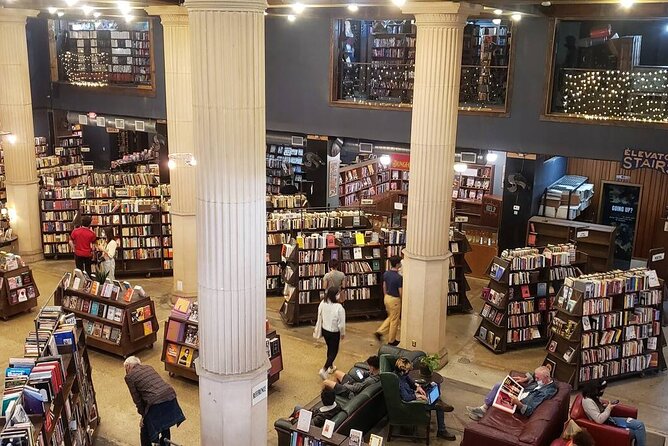
Later you stop at The Last Bookstore, which the guide explains as both a reader’s hangout and a place with original bank-building roots. You’ll learn about the original vault, and you’ll also get time to look around and take photos.
A small pro tip from past participants: bring a hat. The tour can include warm stretches, and shade breaks help, but sun protection still makes the experience more comfortable.
Grand Central Market: Your Guided Food Finale
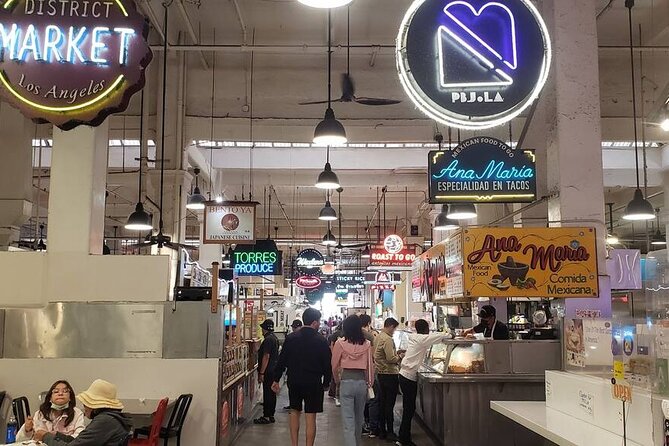
The tour ends (near the end of the loop) at Grand Central Market, a historic food hall operating for over 100 years. This is the foodie payoff, and it’s also a smart stop for navigation after the tour, since you’re in a lively public place where it’s easy to decide what to do next.
You’ll spend about 10 minutes here. That’s not enough time for a full meal for everyone, but it is enough to get oriented and sample if you choose. The guide’s food perspective also helps you make quicker choices, especially if you’re hungry and don’t want to wander for 30 minutes deciding.
This is also one of the best “memory anchors” for the day. When your brain turns to fatigue, food is what keeps the day feeling real and not just like sightseeing.
Who This Tour Fits Best (and Who Might Want Another Angle)
This is a great match if you:
- want Downtown LA basics with depth, not celebrity stops
- like architecture with context, where a guide explains why a building exists, not just what it looks like
- enjoy food as a learning tool, especially with Little Tokyo and mochi at Fugetsu-Do
- prefer a small group where your questions actually get answered
You might want a different plan if your top interest is Spanish and Mexican LA roots. One piece of feedback I’ve seen is that the tour focuses more on Japanese immigration and architectural evolution, so Plaza Olvera-style history may not be as front-and-center for you.
If you’re visiting in hot weather, come early or pack light sun gear. If the forecast looks bad, take the weather requirement seriously—this is not the kind of tour built for heavy rain.
Should You Book This Downtown LA Architecture and Food Tour?
Yes, I’d book it if you want a fast, guided way to understand why Downtown LA looks the way it does. For $39.20, the value is real: you get the Angels Flight ride included, free museum entry stops, and a traditional mochi snack in Little Tokyo—plus you walk away with names, stories, and a mental map that helps you explore on your own later.
Book it if you like a guide who turns buildings and neighborhoods into something you can picture. Based on how this tour is run, it’s also a good option for solo travelers and couples who want structure without feeling stuck.
Skip it only if you’re mainly chasing Spanish/Mexican history as your core theme. In that case, plan a second history stop elsewhere and treat this tour as your architecture and Japanese neighborhood “half” of Downtown LA.
FAQ
How long is the Downtown LA history and architecture tour?
It runs for about 3 hours.
What does the tour cost?
The price is $39.20 per person.
What’s included, like tickets and food?
Angels Flight Railway admission is included, and you also get a traditional Japanese snack in Little Tokyo from Fugetsu-Do. Free admission is listed for the museum stops on the route.
Where does the tour start?
The tour starts at 341 S Hill St, Los Angeles, CA 90013, USA.
Is the tour in English?
Yes, the tour is offered in English.
How big is the group?
It’s a small group with a maximum of 15 travelers.
Are service animals allowed?
Yes, service animals are allowed.
What happens if weather is bad?
This experience requires good weather. If it’s canceled due to poor weather, you’ll be offered a different date or a full refund.
More Historical Tours in Los Angeles
- Natural History Museum of Los Angeles County Admission
★ 4.5 · 111 reviews - Downtown Los Angeles History and Architecture Walking Tour
★ 5.0 · 93 reviews - The History and Architecture of Downtown Los Angeles
★ 5.0 · 66 reviews - Los Angeles: Dark History and Haunted LA Ghost Bus Tour
★ 3.8 · 33 reviews - Los Angeles: Downtown History & Architecture Walking Tour
★ 4.6 · 25 reviews
More Tour Reviews in Los Angeles
- Full-Day Iconic Sights of LA, Hollywood, Beverly Hills, Beaches and More
★ 5.0 · 6,147 reviews - Warner Bros. Studio Tour Hollywood
★ 4.5 · 5,246 reviews - Hollywood, Beverly Hills & Celebrity Homes Tour by Open Air Bus
★ 5.0 · 2,557 reviews - Hollywood Sign 2.5-Hour Tour with Comedians and Their Dogs
★ 5.0 · 2,496 reviews - Full-Day LA Tour: Santa Monica, Hollywood and Beverly Hills
★ 5.0 · 2,431 reviews
Keep Going in Downtown LA
- Downtown Los Angeles Food Tour
★ 5.0 · 501 reviews - Old and New Downtown Los Angeles Walking Tour
★ 5.0 · 222 reviews - Culture and Arts Tour of Downtown LA with Angels Flight Ticket
★ 5.0 · 142 reviews - Downtown Los Angeles History and Architecture Walking Tour
★ 5.0 · 93 reviews - Downtown Los Angeles Bike Tour
★ 5.0 · 76 reviews
Keep exploring Los Angeles: fresh reviews from around town




Downtown LA Tours, compared.
 ★ 5.0Downtown Los Angeles Food TourFrom $89501 reviews
 ★ 5.0Old and New Downtown Los Angeles Walking TourFrom $38222 reviews
 ★ 5.0Culture and Arts Tour of Downtown LA with Angels Flight TicketFrom $39142 reviews
 ★ 5.0Downtown Los Angeles History and Architecture Walking TourFrom $3593 reviews
 ★ 5.0Downtown Los Angeles Bike TourFrom $8276 reviews
 ★ 5.0Downtown Los Angeles Architecture Walking TourFrom $3873 reviews
 ★ 5.0The History and Architecture of Downtown Los AngelesFrom $3966 reviews
 ★ 4.5DTLA Murder Mystery Ghost TourFrom $6064 reviews
Browse the lists this tour appears in