
Review · HISTORICAL TOURS
L.A. Mafia History Tour: Gangsters, Mobsters & Crime Legends
Hollywood mob stories hit harder on the street.
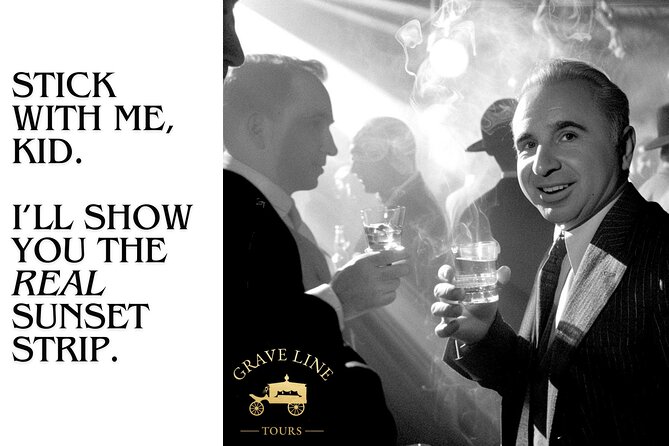
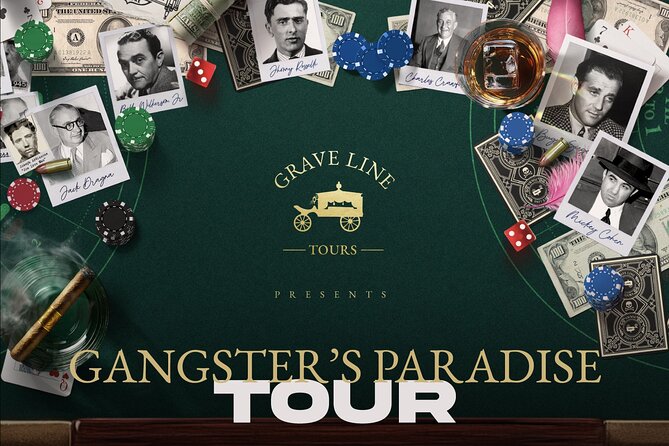
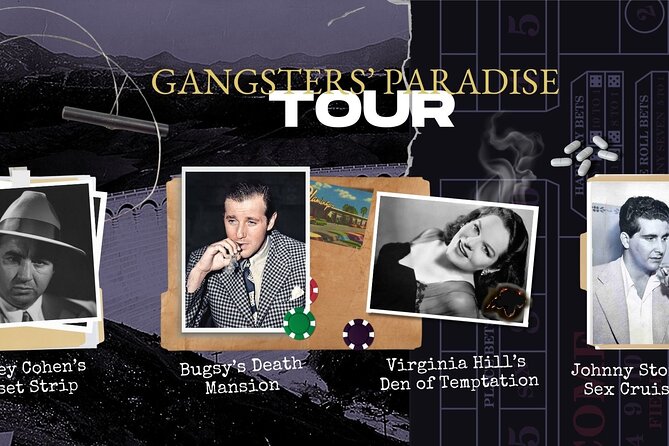
This 3-hour ride mixes real-world organized-crime locations with classic movie connections across Hollywood’s most recognizable corners. You start in the heart of Hollywood, then hop between landmark buildings tied to figures like Handsome Johnny Roselli, Bugsy Siegel, Mickey Cohen, and Virginia Hill—plus a few spots that link mob legends to Golden Age stardom.
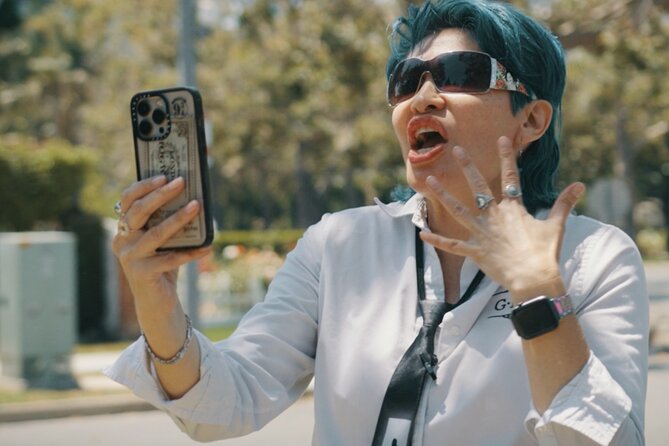
What I like most is the way the stops are staged like a story, not a textbook. You’ll get a tight mix of mob headquarters-style locations and the surprising places where power shifted in plain sight—like the Hollywood YMCA men’s locker room scene and a working Art Deco publishing house. I also like that the guide (Blaze, when you’re on that schedule) brings the material with sharp wit and real vibe, so it’s entertaining without feeling fluffy.
One thing to consider: this is true crime themed. The experience isn’t recommended if you’re easily upset or emotionally sensitive to disturbing material, and the tour keeps the tone serious enough to match the subject.
In This Review
- Key highlights at a glance
- Hollywood’s Mob Sites on a 3-Hour Drive
- Getting oriented fast: start at 6801 Hollywood Blvd
- Stop-by-stop: from Roselli’s office to the Hollywood YMCA
- The Art Deco corner office tied to Handsome Johnny Roselli
- Hollywood YMCA: the Cohen–Siegel meeting in the locker room
- The Hollywood Reporter headquarters: mob influence meets media muscle
- Old Hollywood discovery magic: Tops Café and Lana Turner
- Crossroads of the World: Prohibition-era crime at a glamorous landmark
- Formosa Cafe and the Syndicate HQ vibe
- Labor turf, surveillance, and Virginia Hill’s Hollywood-to-Beverly Hills path
- A studio lot linked to labor union battles
- Handsome Johnny Roselli’s former residence under FBI surveillance
- Virginia Hill’s first Los Angeles residence
- Godfather filming location and the horse-head Hollywood moment
- Break time and what to do during it
- Group size, guide energy, and how to get the most from the ride
- Price and value: what $93.08 buys you in Hollywood
- Who this tour suits best (and who should skip it)
- Should you book the L.A. Mafia History Tour?
- FAQ
- How long is the L.A. Mafia History Tour?
- What is the meeting point for the tour?
- What time does the tour start?
- How much does the tour cost?
- Is the tour offered in English?
- Is there a restroom break during the tour?
- Are tickets mobile or paper-based?
- Is there a limit on group size?
- What is included in the price?
- What’s not included (and can I buy snacks)?
Key highlights at a glance
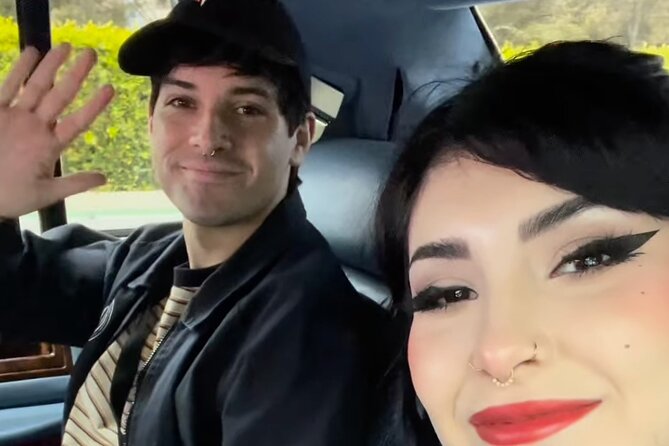
- Small-group size (max 8) keeps the ride conversational, not rushed.
- Funeral limo style sightseeing turns Hollywood driving into part of the show.
- Formosa Cafe and its vault used by Bugsy Siegel gives you a rare “inside-the-operation” feel.
- Hollywood YMCA is a standout setting for the tense first meeting between Mickey Cohen and Bugsy Siegel.
- Billy Wilkerson’s The Hollywood Reporter headquarters connects organized crime to media power.
- Classic movie filming tie-ins include the Godfather horse head scene location and the Lana Turner discovery stop.
More Los Angeles outings we have rated and written up
- Natural History Museum of Los Angeles County Admission★ 4.5 · 111 reviews
- The History and Architecture of Downtown Los Angeles★ 5.0 · 94 reviews
- Downtown Los Angeles History and Architecture Walking Tour★ 5.0 · 93 reviews
Hollywood’s Mob Sites on a 3-Hour Drive
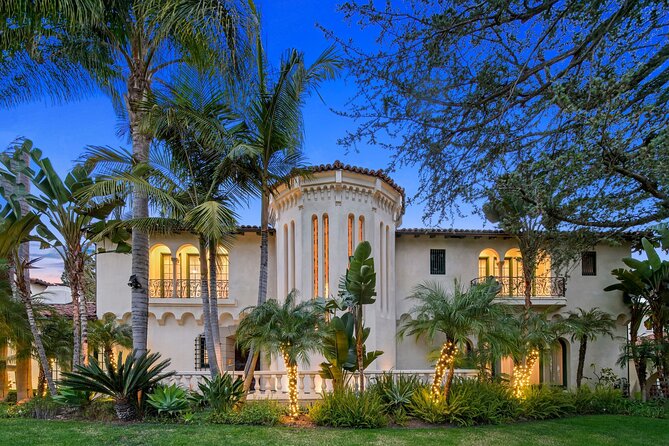
This tour is built for an afternoon in Hollywood where you want more than famous facades. At 2:30 pm, you meet at 6801 Hollywood Blvd and then spend about three hours moving between sites that blend organized crime, entertainment industry influence, and the city’s Art Deco-era swagger.
The setting matters. A lot of L.A. crime lore gets told from behind glass—on screens, in books, or through curated museum lighting. Here, you’re outside. You see the corners, the building styles, and the geography that made it easy for the underworld to mingle with the business side of Hollywood.
Transport is part of the charm too. One of the reviews calls out a classic funeral limo approach, which makes the vibe feel theatrical without turning it into a costume show. If you’re the type who likes photos with context, you’ll likely enjoy how the guide frames each stop before you start shooting.
Getting oriented fast: start at 6801 Hollywood Blvd
Your start point is right in the center of Hollywood: 6801 Hollywood Blvd. That’s useful because it’s the kind of meeting location where you can line up your day without planning a long pre-ride commute.
The tour ends back at the same meeting point. That’s a small detail, but it helps if you’re juggling dinner plans or trying to avoid a last-minute navigation scramble.
Also worth noting: the tour uses a mobile ticket, and you’ll get access to visual background material for passengers who have smart phones with data access. Translation: you’ll have more to look at than just the street scenes, and it can make the facts easier to hold onto while you’re moving.
Stop-by-stop: from Roselli’s office to the Hollywood YMCA
This is one of those itineraries where you’re not just collecting names—you’re seeing the environments those names were tied to.
The Art Deco corner office tied to Handsome Johnny Roselli
One of the early stops takes you to a historic Art Deco landmark in Hollywood that once housed the corner office of mobster Handsome Johnny Roselli. The idea here is simple: this is the kind of location where Hollywood glamour met organized-crime maneuvering, and where the office itself feels like part of the power story.
What you get from a stop like this is atmosphere. Art Deco isn’t just pretty. It’s the style of a city that was built to project confidence, and confidence is a big part of how crime figures win trust and control.
Hollywood YMCA: the Cohen–Siegel meeting in the locker room
Next, you head to the iconic Hollywood YMCA, described as the setting of the first—and famously tense—meeting between Mickey Cohen and Bugsy Siegel. The particularly memorable detail is that this took place in the men’s locker room of the historic building.
If you like your crime history with a bit of irony, this stop does it well. A locker room isn’t what you picture when someone says mob headquarters, but that’s exactly why it works. Hollywood’s entertainment aura and the underworld’s strategic face-to-face moments blur right where you least expect them.
A quick caution: even if you don’t get squeamish easily, the tour is themed around the darker side of Hollywood. The YM/locker-room setting isn’t graphic, but it does keep you in the emotional lane of “serious business.”
The Hollywood Reporter headquarters: mob influence meets media muscle
A major shift in tone comes when the tour visits the original headquarters of The Hollywood Reporter. This is tied to Billy Wilkerson, known as the Hollywood Godfather, who built a media empire and shaped power dynamics in Tinseltown.
Why this stop is more than a pretty building: it connects organized crime’s influence to the people who control information. Media power changes everything. If you can get the story framed the way you want, you can influence careers, reputations, and deals—at least in the world where those deals were happening.
This is also where the guide’s delivery really matters. Blaze is specifically called out in reviews for making the material feel alive and fun, and stops like this benefit from that approach: you want clarity, not dry listing.
Old Hollywood discovery magic: Tops Café and Lana Turner
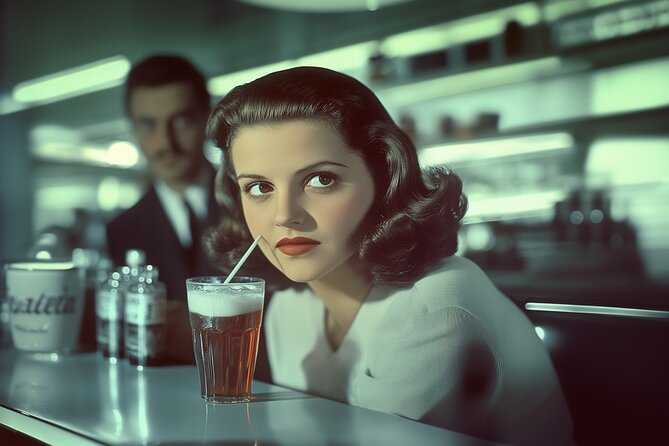
The tour includes the former site of Tops Café, a classic Hollywood soda fountain where screen legend Lana Turner was famously discovered.
This is a welcome change of pace because it gives you the bright side of the Hollywood machine. The same city that bred mob networks also produced stars. And places like soda fountains were often where “future legend” energy lived before fame turned into something expensive and controlled.
If you’re building a Hollywood day around iconic moments, this stop gives you a concrete, street-level anchor. It’s also a good reminder that true-crime themed tours don’t have to be emotionally heavy the whole way.
Crossroads of the World: Prohibition-era crime at a glamorous landmark
Another standout stop is Hollywood’s Crossroads of the World, described as a striking 1930s landmark built on the site where notorious bootlegger Charlie Crawford met a violent end.
This is a classic L.A. contrast: an ornate, public, glamorous-looking complex sitting on ground tied to Prohibition-era violence. It’s the kind of juxtaposition that makes the city feel both magical and unsettling at the same time.
When you’re walking through areas like this, keep an eye on what the city shows you now versus what the tour is asking you to imagine. That mental flip is what gives the stop its punch—especially for photo lovers who enjoy “then and now” storytelling.
Formosa Cafe and the Syndicate HQ vibe
One of the most exciting parts is a stop where you can go inside. The tour brings you to Formosa Cafe, described as the real-life headquarters used by the Hollywood Syndicate’s mobsters for running an underground empire.
Here’s what makes it especially compelling:
- you can grab a cocktail during the visit (snacks are separate)
- it includes the original vault famously used by Bugsy Siegel for secret gambling operations
- you get that rare “this was operational, not just symbolic” feeling
The tour info notes this stop as a 20-minute visit and marks admission ticket free for that portion. Practically, that means you’re not spending your whole tour waiting around—this is a short, focused “pay attention” stop.
If you’re the type who likes to understand the mechanics of power (who met where, what got done, how money moved), a vault stop does that better than a roadside plaque ever will.
Labor turf, surveillance, and Virginia Hill’s Hollywood-to-Beverly Hills path
The middle and later parts of the tour shift toward the network behind the scenes: influence, control, and movement across neighborhoods.
A studio lot linked to labor union battles
You’ll also see the historic studio lot where violent labor union battles erupted under the influence of the Hollywood Syndicate’s organized crime network.
Even if you’re not a labor-history person, this stop helps you understand a key point: organized crime didn’t only survive by protection and intimidation. It also operated through systems—workplaces, unions, and the money tied to them.
Handsome Johnny Roselli’s former residence under FBI surveillance
Another stop is the former residence of Roselli. The tour description highlights that this residence was under constant FBI surveillance, giving you a rare “how close it got” window into mid-century mob life in Los Angeles.
That detail changes the mood. It turns the stops from “legendary” to “watched,” which helps the story feel more grounded and less mythic.
Virginia Hill’s first Los Angeles residence
Finally, the tour visits Virginia Hill’s first Los Angeles residence, described as a glamorous hideout that anchored her rise from small-town girl to notorious mob courier in Hollywood’s underworld. You’ll also hear about how this address connected to Bugsy Siegel’s companion—and how Hollywood scandal grew from an elegant doorstep.
This is one of those stops where the setting matters as much as the name. When a tour includes both a “mob courier” storyline and a “glamorous hideout” setting, it encourages you to think about how crime and show-business can share the same styling cues.
Godfather filming location and the horse-head Hollywood moment
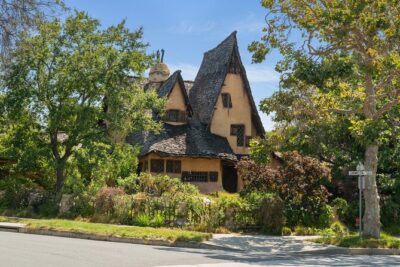
Yes, there’s a pop-culture payoff here too. The tour includes a stop at the house where the infamous horse head scene from The Godfather was filmed.
That’s not a “sidebar.” It’s a way to understand how mob stories echo through Hollywood decades after the original events and inspirations. If you’ve seen the film, this stop helps your brain connect screen memory to real streetscape.
The best use of this stop is practical: before you take photos, check the angle and imagine what the filmmakers likely needed. Even without specific filming notes provided, the location visit makes the movie feel less abstract and more physical.
Break time and what to do during it
The tour includes a 15-minute break for restrooms and refreshments, with refreshments sold separately. That matters because you’re out in the city and moving between multiple stops—no one wants the tour pacing to feel like it’s rushed due to bathroom stress.
If you’re pairing this with a late lunch or early dinner, build in time right before the 2:30 pm start so you don’t spend your break sprinting across the sidewalk.
Group size, guide energy, and how to get the most from the ride
The tour runs with a maximum of 8 travelers. That small group size is a big quality-of-life factor. You’ll get more chances to ask questions, and the guide can adjust the pacing if you want a bit more explanation on one stop or another.
The guide presence is also heavily emphasized in the reviews. Blaze is repeatedly praised for wit, insight, and capturing the vibe. In practical terms, that means you’re not just receiving facts—you’re receiving a narrative thread that ties the sites together.
Here’s how you make it even better:
- Bring a note app and jot down the names as they’re mentioned, so you can remember them later
- If you’re into photography, decide which stop you’ll shoot first and last
- If you’re sensitive to true crime, consider using the break to decompress rather than forcing yourself through every stop at full intensity
Price and value: what $93.08 buys you in Hollywood
At $93.08 per person (about 3 hours), you’re paying for three things that are hard to replicate on your own:
1) Transportation and routing across scattered Hollywood sites
2) A guide who gives you a coherent story arc instead of isolated street facts
3) Entry access elements tied to stops like the Formosa Cafe visit and its vault focus
Is it inexpensive? No. But for Hollywood, where “doing the sites” yourself can turn into a frustrating logistics puzzle, a priced guided ride can be good value—especially with the small-group cap of 8 and the clear true-crime theming that keeps the stops tightly connected.
If you’re choosing between a general Hollywood tour and a mob-focused one, the value comes from niche focus. You’re not paying extra for random movie landmarks; you’re paying for a specific storyline that uses real places as anchors.
Who this tour suits best (and who should skip it)
This tour is ideal if you like:
- Hollywood crime stories that include named figures and specific locations
- Art Deco architecture and “then-and-now” contrasts
- A guide-led narrative with energy (Blaze gets specific shout-outs)
- A mix of serious and pop-culture stops, from syndicate HQ vibes to the Godfather filming location
You should skip it if:
- you’re easily upset or emotionally sensitive to true crime materials
- you don’t want a serious tone tied to organized crime and violence
Should you book the L.A. Mafia History Tour?
I’d book it if you want a tightly paced Hollywood afternoon where you leave with places in your head, not just vague impressions. The best part is the combination: mob meeting points, media power, and movie-lore locations all in one 3-hour format.
But if true crime themes make you uncomfortable, take the warning seriously and consider a different style of Hollywood tour. This one isn’t just spooky stories—it’s a guided tour of the underworld side of the city.
FAQ
How long is the L.A. Mafia History Tour?
It runs for about 3 hours.
What is the meeting point for the tour?
You meet at 6801 Hollywood Blvd, Hollywood, CA 90028, USA.
What time does the tour start?
The start time is 2:30 pm.
How much does the tour cost?
The price is $93.08 per person.
Is the tour offered in English?
Yes, it is offered in English.
Is there a restroom break during the tour?
Yes, there is a 15-minute break for restrooms and refreshments.
Are tickets mobile or paper-based?
You receive a mobile ticket.
Is there a limit on group size?
Yes, the tour has a maximum of 8 travelers.
What is included in the price?
Included items are the guide, a 3-hour gangster tour of LA, and access to visual background material for passengers with smart phones and data. The 15-minute break is also included.
What’s not included (and can I buy snacks)?
Snacks are not included. You’ll have an opportunity to purchase some from a one-time Mob HQ.
More Historical Tours in Los Angeles
- Natural History Museum of Los Angeles County Admission
★ 4.5 · 111 reviews - The History and Architecture of Downtown Los Angeles
★ 5.0 · 94 reviews - Downtown Los Angeles History and Architecture Walking Tour
★ 5.0 · 93 reviews - The History and Architecture of Downtown Los Angeles
★ 5.0 · 66 reviews - Los Angeles: Dark History and Haunted LA Ghost Bus Tour
★ 3.8 · 33 reviews
More Tours in Los Angeles
- Warner Bros. Studio Tour Hollywood
★ 4.5 · 5,246 reviews - Hollywood, Beverly Hills & Celebrity Homes Tour by Open Air Bus
★ 5.0 · 2,557 reviews - Hollywood Sign 2.5-Hour Tour with Comedians and Their Dogs
★ 5.0 · 2,496 reviews - Full-Day LA Tour: Santa Monica, Hollywood and Beverly Hills
★ 5.0 · 2,431 reviews - Hollywood and Celebrity Homes Bus Tour
★ 4.5 · 2,074 reviews
More Tour Reviews in Los Angeles
- Full-Day Iconic Sights of LA, Hollywood, Beverly Hills, Beaches and More
★ 5.0 · 6,147 reviews - Warner Bros. Studio Tour Hollywood
★ 4.5 · 5,246 reviews - Hollywood, Beverly Hills & Celebrity Homes Tour by Open Air Bus
★ 5.0 · 2,557 reviews - Hollywood Sign 2.5-Hour Tour with Comedians and Their Dogs
★ 5.0 · 2,496 reviews - Full-Day LA Tour: Santa Monica, Hollywood and Beverly Hills
★ 5.0 · 2,431 reviews
Keep exploring Los Angeles: fresh reviews from around town


Historical Tours, compared.
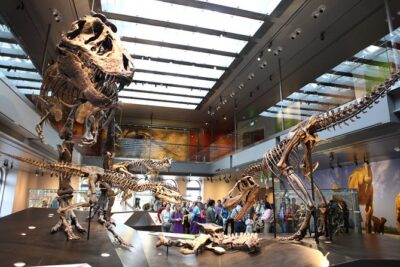 ★ 4.5Natural History Museum of Los Angeles County AdmissionFrom $18111 reviews
 ★ 5.0The History and Architecture of Downtown Los AngelesFrom $3994 reviews
 ★ 5.0Downtown Los Angeles History and Architecture Walking TourFrom $3593 reviews
 ★ 4.7Malibu: Celebrity Homes, Beaches & History TourFrom $9086 reviews
★ 5.0The History and Architecture of Downtown Los AngelesFrom $3966 reviews
 ★ 3.8Dark History and Haunted LA Ghost Bus TourFrom $6933 reviews
 ★ 4.6Downtown History & Architecture Walking TourFrom $3025 reviews
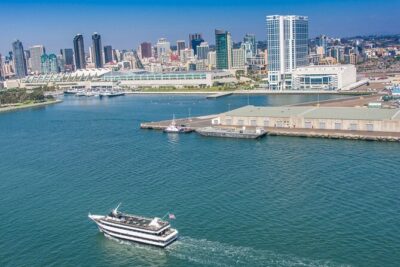 ★ 4.0LA to San Diego: History, Harbor & USS Midway Magic in one dayFrom $25424 reviews
Browse the lists this tour appears in