
Review · GETTY & MUSEUM TOURS
Los Angeles: Holocaust Museum LA Admission Ticket
A survivor speaks without a single raised voice. That is the punch of Holocaust Museum LA, where a holographic encounter brings testimony into the room and turns history into something you have to face.
I love two things most: the chance to talk with an eternal survivor through a guided hologram experience, and the museum’s focus on real objects and evidence, including what’s described as the West Coast’s largest collection of rare Holocaust-era artifacts. The setting matters too—Pan Pacific Park is a calmer pocket of LA, right by The Grove and Original Farmers Market.
One possible drawback: you should mentally and physically plan for rules and time. Security screening is required for entry, galleries don’t allow food or drinks (except water), and the subject matter is heavy enough that you may want more breaks than you would in a typical museum.
In This Review
- Key moments you’ll remember
- Holocaust Museum LA’s meaning hits faster than you expect
- Getting oriented in Pan Pacific Park: location and first-time logistics
- Security and what to bring: small details that save time
- The holographic eternal survivor: the part that changes your whole pace
- West Coast artifacts: why physical evidence matters
- Audio tour narrated by Mayim Bialik: using it without getting lost
- Docent-led tours on Saturdays and Sundays at 1:30 PM
- How long to budget for a one-day visit
- Value for your money: $15 well spent (when you use it right)
- Who should book Holocaust Museum LA?
- Should you book this Holocaust Museum LA ticket?
- FAQ
- Where is Holocaust Museum LA located?
- How much does admission cost?
- How long is the ticket valid?
- What’s included with the ticket?
- What languages is the audio available in?
- Is photography allowed in the museum?
Key moments you’ll remember
- Holographic survivor Q&A: Ask questions and experience testimony as an interactive moment, not just a display.
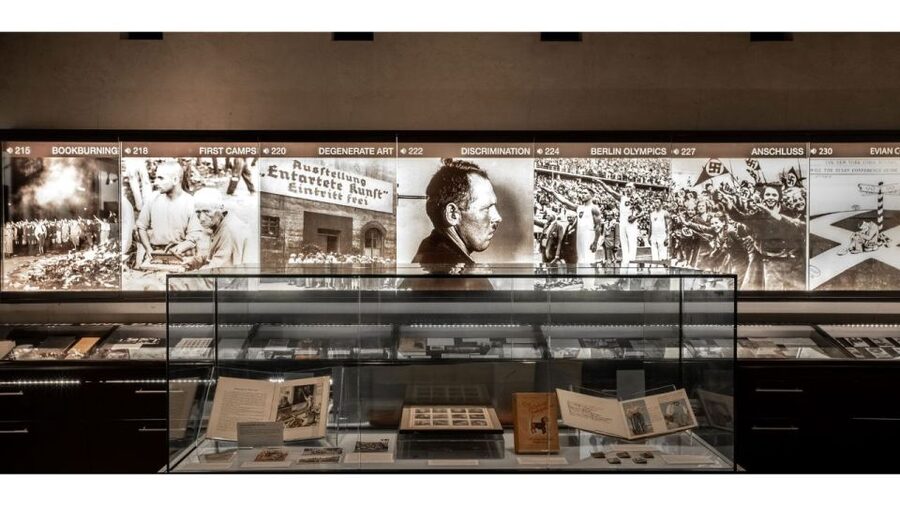
- Rare Holocaust-era artifacts: See belongings and historical materials that make the past feel immediate.
- Mayim Bialik audio narration: Hear the museum story delivered through a professional voice with clear pacing.
- Weekend docent tours at 1:30 PM: Get an extra layer of context when you visit on Saturdays or Sundays.
- Designed for critical thinking: The museum doesn’t just present events; it pushes you to think about responsibility and lessons.
For the art lovers: more Getty and museum visits
- Los Angeles: Petersen Automotive Museum Entry & Vault Access★ 4.8 · 264 reviews
- La Brea Tar Pits and Museum Admission Ticket with Excavator Tour★ 4.5 · 193 reviews
- Private Getty Center to Griffith Observatory Guided Tour★ 5.0 · 185 reviews
Holocaust Museum LA’s meaning hits faster than you expect
Holocaust Museum LA can feel different from other memorial spaces because it leans on witness testimony and physical proof at the same time. You don’t just read about what happened—you meet the human reality of it, then you see how the world reduced real people to paperwork, persecution, and loss. That mix is why the experience lands so hard.
The museum was founded in 1961 by Holocaust survivors, and that survivor-founded mission shows in how the visit is structured. The goal isn’t only remembrance. It’s also education and a push toward a more humane world. You can see that intent in the flow of the exhibits, which move through war and cruelty, then into responsibility, hope, and the resilience people fought to preserve.
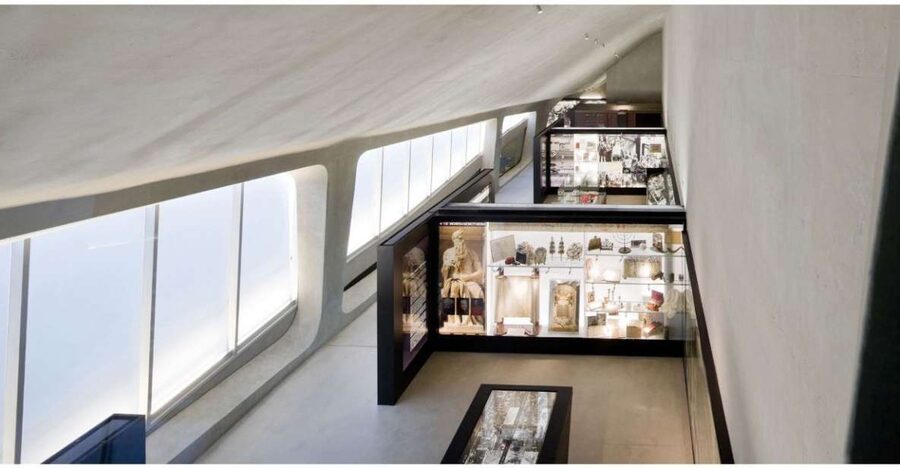
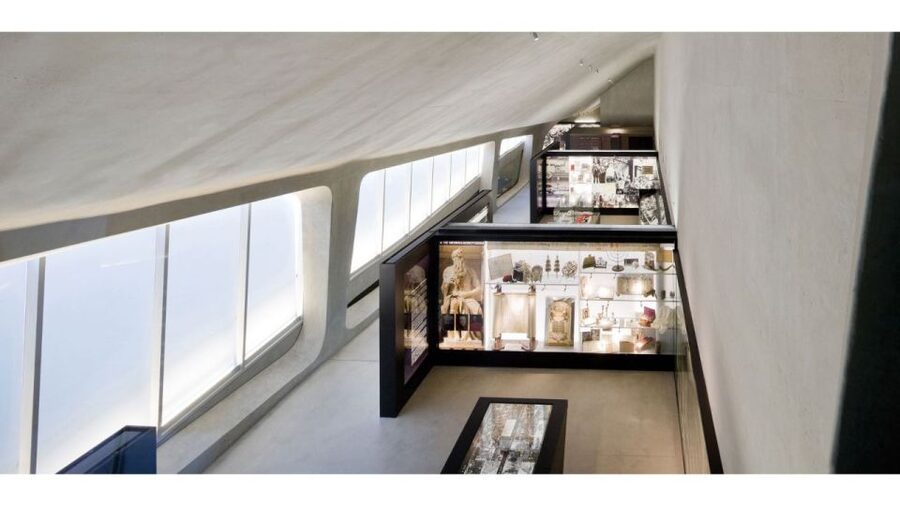
The architecture plays a supporting role too. The museum uses a swirling, striking, award-winning design that’s meant to carry you through an emotional and historical journey, rather than behaving like a neutral box of rooms. In practice, that means you’ll likely feel pulled along—like the building is helping you stay oriented while the content grows more difficult.
Getting oriented in Pan Pacific Park: location and first-time logistics
The museum sits in the heart of LA at Pan Pacific Park, in the northwest corner of the park. It’s just south of the Post Office and across the street from The Grove shopping center. That’s convenient for two reasons.
First, you can easily pair your visit with a meal or a wander afterward at The Grove and Original Farmers Market. Second, you can plan a simple route. If you’re taking rideshare or public transit, aiming for The Grove as a landmark is easier than trying to navigate deep inside the park.
Before you get anywhere near the exhibits, you’ll pass through security. Your bag may be searched, and the museum reserves the right to refuse entry. No weapons or hazardous materials are allowed. It’s the kind of step that can slow you down a bit if you arrive rushed—so I’d rather you treat it like a normal part of the museum schedule, not a surprise.
Also note the food and drink rule. Eating and drinking (except water) isn’t allowed in the gallery areas. That’s important because you’ll want to time snacks carefully. If you’re coming straight from sightseeing, grab anything you need before you enter, then carry only what you’ll be allowed to keep with you.
Security and what to bring: small details that save time
You’ll want to bring a passport or ID card for entry. It’s a small requirement, but it’s the kind that can turn a smooth visit into an awkward restart if you forget it.
For what you can bring inside: there’s no direct list in the info you have here beyond the security rule and the ban on weapons or hazardous materials. The practical takeaway is simple—travel light and keep your essentials easy to check. If you’re bringing a bag, assume it could be searched.
Photography rules are also fairly clear. Photography, video, and audio recording for personal use are permitted without flash. So if you like to capture exhibits for later study or to share with friends, you can do it without feeling like you’re breaking etiquette—just avoid flash photography.
One more practical thing: arrive with enough time to park or get dropped off calmly. Even when you’re confident about your route, security and bag checks can add minutes. With a museum this emotionally intense, that buffer matters.
The holographic eternal survivor: the part that changes your whole pace

The most talked-about element of Holocaust Museum LA is the chance to converse with an eternal survivor in a holographic experience. This isn’t a passive film loop you watch while your mind drifts. It’s designed for interaction, where the experience supports you in asking questions—from simpler queries to more complex ones.
What makes this valuable isn’t just the technology. It’s the framing. The museum uses the holographic testimony to turn a concept like survivor memory into an encounter. You’re not absorbing facts from a distance; you’re hearing the consequences of history from someone who lived it.
You’ll feel the museum slow down around you during this portion. And that’s a good thing. When a museum tries to be educational without making you face the human side, it can feel sterile. Here, the testimony keeps tugging you back to the reality of what people endured.
If you’re visiting with family or a mixed-age group, this is also where you’ll need to calibrate. The museum’s mission is commemoration and education, and the material is necessarily difficult. If anyone in your party gets overwhelmed, plan ahead for a quieter pace rather than trying to power through.
More Los Angeles outings we have rated and written up



West Coast artifacts: why physical evidence matters
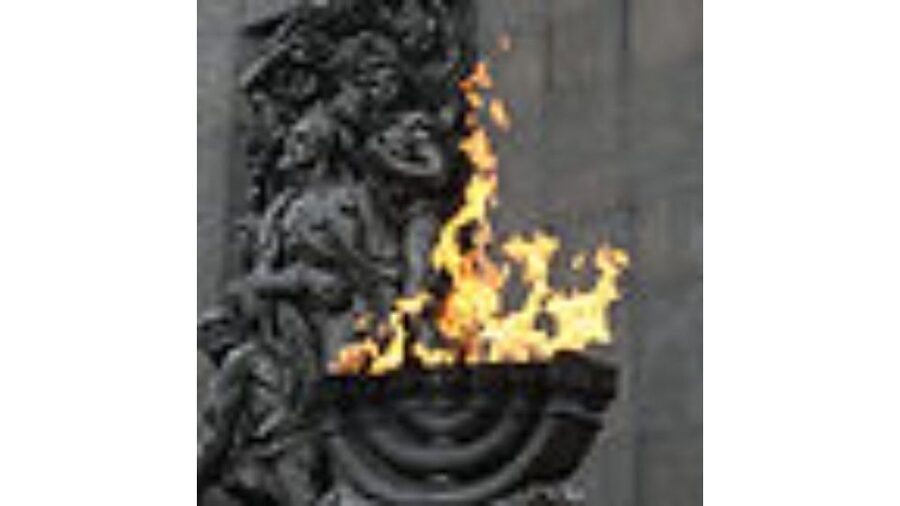
The museum highlights the West Coast’s largest collection of rare Holocaust-era artifacts. That matters because artifacts do something digital media can’t. They compress time into objects you can look at. You can feel the shift from ideology and propaganda to everyday life being dismantled.
In one of the most memorable ways, the exhibits include items such as clothes and personal materials used during that era. Seeing things like that helps you understand the Holocaust as something carried out through systems—by people who implemented policies, not as an abstract tragedy floating above human choices.
You’ll also notice how the museum pushes for critical thinking. It’s not only about what happened. It’s about how it happened—how cruelty becomes normalized, how responsibility gets misplaced, and how ordinary structures can be twisted into tools of harm. Even if you already know the broad historical timeline, the emphasis on lessons can change how you connect the dots.
If you tend to rush through exhibits, slow down here. Artifacts reward patience. Spend enough time to take in details that you’d otherwise miss—materials, wear, construction, and the sheer fact that these objects survived.
Audio tour narrated by Mayim Bialik: using it without getting lost
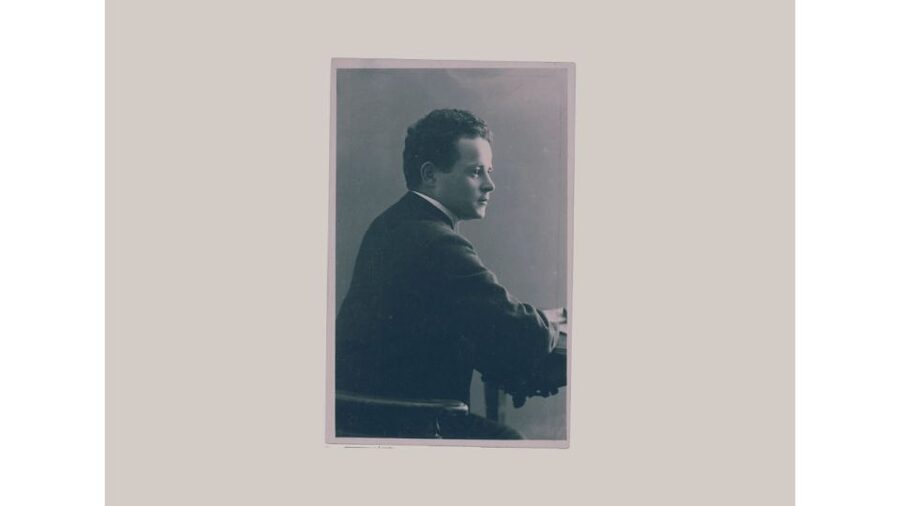
You get an included audio guide device and headphones, and the narration is by actress Mayim Bialik. The benefit of an audio-guided museum is pacing. You can step away from crowds, choose how quickly you move, and let the narration set the emotional tone.
I like audio narration for museums like this because it keeps you from doing two bad things at once: skimming and guessing. The Mayim Bialik narration helps you follow the storyline and interpret what you’re seeing rather than treating it as a series of disconnected rooms.
There’s also a practical tech bonus mentioned in visitor feedback: museum Wi-Fi supports an app-based approach, so you can listen in the way that fits your comfort level. Some people prefer the provided device; others like using their own phone or device. Either way, the audio layer is there to guide you.
A good strategy: don’t run the audio constantly at max speed. Pause when you reach artifact displays or testimony-related stations. Let what you’re hearing land, then look back at what you’re seeing. That rhythm helps the information become understanding instead of just sound in the background.
Docent-led tours on Saturdays and Sundays at 1:30 PM
If you visit on the weekend, plan your timing around the free docent-led tours. The museum offers these tours on Saturdays and Sundays at 1:30 PM.
Docent-led tours can be especially useful in a museum like this because a guide can explain themes in plain language and help you connect exhibit details to broader lessons. Audio is great, but a human guide can adjust to what your group cares about. You might also pick up context that makes an artifact or exhibit section easier to interpret.
The key is to build your schedule so you’re not exhausted by the time the docent starts. If you arrive late, you might miss the 1:30 PM window. If you arrive early, you can use the time before the tour to get oriented, then join the docent to deepen your understanding.
Even if you’re mainly there for the exhibits, the docents add value by giving you a second lens—less “what you see” and more “what it means.”
How long to budget for a one-day visit
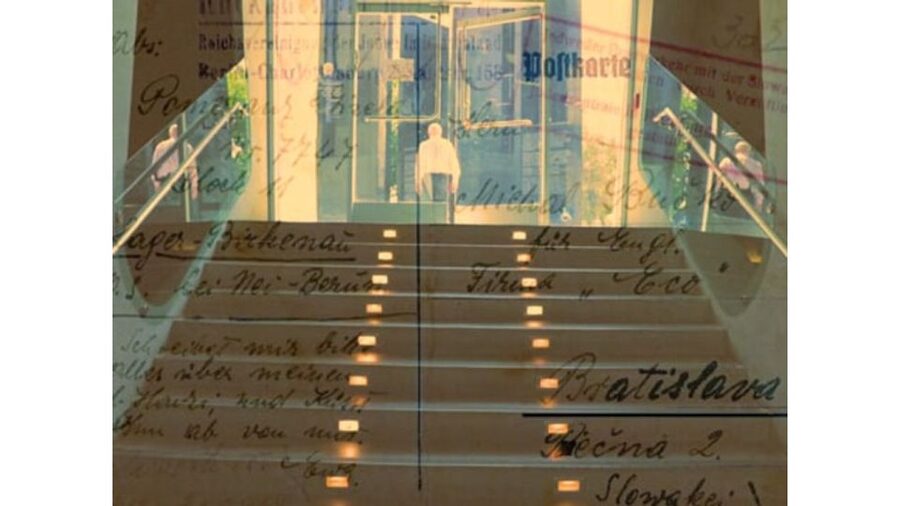
Your ticket is valid for 1 day and you’ll want to check availability for starting times. That implies the museum visit is best approached as a scheduled entry experience, not a “drop in whenever” situation.
For a museum with intense subject matter and multiple layers (artifacts, architecture, interactive hologram, and audio narration), I’d budget enough time to avoid rushing. You’re not just looking at displays. You’re listening, processing, and reflecting. Rushing tends to lead to emotional burnout and lower understanding.
If you’re also factoring in weekend docent tours at 1:30 PM, it helps to arrive early enough to pass security calmly and start with the audio experience at your own pace. You’ll get more from the day if you don’t feel behind.
A simple pacing tip: do one “structured” element first (audio tour), then do the interactive holographic testimony, then circle back to artifacts with less pressure. That way, the parts that require thought and attention aren’t stacked back-to-back with no breathing room.
Value for your money: $15 well spent (when you use it right)

The admission price is $15 per person. For LA, that’s a reasonable cost for a museum that combines testimony, rare artifacts, and a professionally narrated audio component. Many museums charge more for less direct engagement.
Here’s the real value question: are you the type of visitor who will actually use the audio guide and take time with the exhibits? If yes, this is strong value because the ticket buys you the core interpretive tools, including the audio guide device and headphones.
If you don’t do well with audio or prefer self-paced reading only, you might still find the artifacts and architecture compelling, but you may feel like you’re missing half the intended experience. The museum clearly designs for an audio-and-exhibit pairing.
One more practical value angle: the museum is close to major LA attractions like The Grove and Original Farmers Market. That means your day can be more than just “museum time.” You can pair it with a meal and still keep the day simple to plan.
Who should book Holocaust Museum LA?
This is a good fit if you want more than surface-level history. You’ll probably like it if you care about how testimony works, how artifacts teach, and how museums can prompt critical thinking and personal responsibility.
It’s also a great stop if you already know the basic Holocaust timeline and want a deeper understanding of experience and evidence. The museum’s emphasis on rare items and survivor testimony can add new perspective even when you’ve visited other major memorial sites.
It may be harder for very young kids or anyone who struggles with emotionally heavy content. If that’s relevant, choose your timing and consider whether your group can handle the subject matter with sensitivity.
Should you book this Holocaust Museum LA ticket?
Book it if you want a museum experience that combines interactive testimony, rare artifacts, and a guided audio tour with narration by Mayim Bialik. The structure helps you stay oriented, and the weekend docent option at 1:30 PM is a nice bonus if you’re there on Saturday or Sunday.
Skip the day or adjust expectations if you’re looking for something light or purely sightseeing. This museum is educational and commemorative first, and the rules (security screening, no food in galleries) reflect that it’s meant to be taken seriously.
If you’re planning your one-day schedule in LA, consider making this a morning or early afternoon anchor. You’ll arrive calmer for security, get into the audio rhythm, and leave time afterward to decompress near The Grove and Original Farmers Market.
FAQ
Where is Holocaust Museum LA located?
Holocaust Museum LA is in Pan Pacific Park, in the northwest corner—just south of the Post Office and across the street from The Grove shopping center.
How much does admission cost?
The admission ticket price is $15 per person.
How long is the ticket valid?
Your ticket is valid for 1 day. Starting times depend on availability, so it’s best to check when you book.
What’s included with the ticket?
The ticket includes entry to Holocaust Museum LA plus an audio guide device and headphones.
What languages is the audio available in?
The audio guide is available in English and Spanish.
Is photography allowed in the museum?
Photography, video, and audio recording for personal use are permitted as long as you do not use flash.
More Tickets in Los Angeles
- Universal Studios Hollywood General Admission Ticket, California
★ 4.0 · 1,489 reviews - Skip the Line: Express Ticket at Universal Studios Hollywood
★ 4.5 · 1,144 reviews - Disneyland Resort Anaheim Tickets in California
★ 3.0 · 662 reviews - Skip the Ticketing Line: Aquarium of the Pacific General Admission Ticket
★ 4.5 · 485 reviews - Los Angeles: Battleship Iowa Museum Ticket
★ 4.6 · 249 reviews
More Tour Reviews in Los Angeles
- Full-Day Iconic Sights of LA, Hollywood, Beverly Hills, Beaches and More
★ 5.0 · 6,147 reviews - Warner Bros. Studio Tour Hollywood
★ 4.5 · 5,246 reviews - Hollywood, Beverly Hills & Celebrity Homes Tour by Open Air Bus
★ 5.0 · 2,557 reviews - Hollywood Sign 2.5-Hour Tour with Comedians and Their Dogs
★ 5.0 · 2,496 reviews - Full-Day LA Tour: Santa Monica, Hollywood and Beverly Hills
★ 5.0 · 2,431 reviews
More Museums and Galleries in Los Angeles
- Los Angeles: Petersen Automotive Museum Entry & Vault Access
★ 4.8 · 264 reviews - Los Angeles: Battleship Iowa Museum Ticket
★ 4.6 · 249 reviews - La Brea Tar Pits and Museum Admission Ticket with Excavator Tour
★ 4.5 · 193 reviews - Private Getty Center to Griffith Observatory Guided Tour
★ 5.0 · 185 reviews - Los Angeles: La Brea Tar Pits Museum Ticket
★ 4.5 · 137 reviews
Keep exploring Los Angeles: fresh reviews from around town





Getty & Museum Tours, compared.
 ★ 4.8Petersen Automotive Museum Entry & Vault AccessFrom $51264 reviews
 ★ 4.6Battleship Iowa Museum TicketFrom $29249 reviews
 ★ 4.5La Brea Tar Pits and Museum Admission Ticket with Excavator TourFrom $18193 reviews
 ★ 5.0Private Getty Center to Griffith Observatory Guided TourFrom $172185 reviews
 ★ 4.5La Brea Tar Pits Museum TicketFrom $18137 reviews
 ★ 5.0Hollywood Medieval Torture Museum Ticket with Ghost HuntingFrom $31133 reviews
 ★ 5.0Admission to Richard Nixon Presidential Library and Museum TicketFrom $29123 reviews
 ★ 4.5Natural History Museum of Los Angeles County AdmissionFrom $18111 reviews
Browse the lists this tour appears in