
Review · LOS ANGELES FOOD TOURS
LA Food Tour: Exploring America’s Culinary Frontier
One thing that hits fast in Los Angeles food is how food travels. This walk focuses on tasting across multiple neighborhoods, then layering in the stories behind the places you’re eating. I especially like the walking route that keeps you moving on your own feet instead of stuck on a bus. One thing to consider: it’s a paid tour price point, so you’ll want to go in hungry and ready for a lot of samples.
I also appreciate the small group size (up to 7). That means your guide can actually keep an eye on pace, comfort, and questions while you cover Chinatown, Little Tokyo, and downtown without feeling rushed.
In This Review
- Key things to know before you go
- A Los Angeles food tour that prefers shoes over buses
- Price and value: what $175 buys you in Downtown LA
- The route in real life: timing, pace, and what to pack
- Chinatown first: starting where LA mixes old streets and new tastes
- Calle Olvera: LA’s oldest street for sights and quick bites
- Avila Adobe: when a home becomes a timeline
- Little Tokyo: sushi and mochi in pedestrian-friendly backstreets
- Bradbury Building: a film-famous building with a foodie’s stop time
- Grand Central Market: the downtown finale with “hidden vendor” energy
- Guides: why Jannine and Ulysses make the day feel personal
- Who should book this LA food tour
- Should you book this LA food tour?
- FAQ
- How long is the LA Food Tour?
- What time does the tour start, and where do I meet?
- Where does the tour end?
- How many people are in each group?
- Is the tour offered in English?
- What stops are included on the route?
- Is there a cancellation option with a full refund?
Key things to know before you go
- A walking-first food tour that avoids bus bottlenecks and gets you stretching your legs
- Food from many spots instead of one restaurant meal
- Historic stops woven right into the route, including Avila Adobe and the Bradbury Building
- Little Tokyo focus with Japanese favorites like sushi and mochi
- Small group format (max 7) with a guide who stays tuned in
- Down-to-earth convenience: mobile ticket, English, near public transit, service animals allowed
Still hungry? More LA food crawls
- Downtown Los Angeles Food Tour★ 5.0 · 501 reviews
- LA Venice Beach Hidden Gems Food Tour With 6 Food Tastings★ 5.0 · 337 reviews
- Beverly Hills Food Tour with Gourmet Tastings and Drinks★ 5.0 · 82 reviews
A Los Angeles food tour that prefers shoes over buses
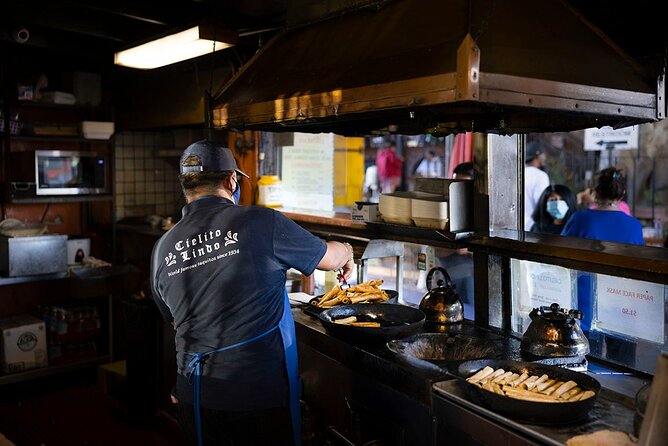
This isn’t the kind of tour where you park your body on a seat and hope the food makes up for the wait. You’re walking through Los Angeles neighborhoods where people actually live and eat, and that changes the whole feel of the day. You get the sites along the way, plus tastings at multiple stops, so your stomach doesn’t get bored and your brain doesn’t either.
The format is also built for real-world touring. It runs about 5 hours 30 minutes, it’s offered in English, and the group is capped at 7 people. In practice, that helps the guide keep the vibe friendly and attentive.
You will walk. One review mentioned around 4 miles, so I treat this as an active afternoon, not a light stroll. Plan for comfortable shoes and a real appetite.
Price and value: what $175 buys you in Downtown LA
At $175 per person, this isn’t a cheap snack crawl. But it can still feel fair if you match it to how you like to travel.
Here’s what you’re paying for in a practical sense:
- Multiple food stops across different parts of LA rather than one single meal at one place.
- Time + guiding for the whole 5.5-hour loop, not just a quick handoff at each location.
- Context at the historic layers of the route (Chinatown to Little Tokyo to downtown).
- Small group pacing, which is often where the value shows up. With fewer people, your questions don’t disappear.
One caution from the feedback: the price can feel high if you’ve done other food tours and expect a totally different class of experience. My take: if your goal is variety plus history plus a guided walk through central LA neighborhoods, this tour fits the bill. If your goal is maximum value at the lowest cost, you may want to compare options.
The route in real life: timing, pace, and what to pack
You start at Chinatown West Gate, 954 N Hill St, Los Angeles, CA 90012 at 10:45 am, and the tour ends back at the meeting point. That loop matters. You avoid the hassle of coordinating separate transport between distant areas.
Timing is set by stop durations like:
- A longer opener in Chinatown
- Short, focused segments at Calle Olvera and Avila Adobe
- A bigger food block in Little Tokyo
- A quick downtown historic/photo moment at the Bradbury Building
- A final stop at Grand Central Market
Because the walking totals can be closer to 4 miles, I’d pack:
- Water (especially on warm LA days)
- A light layer for shade shifts
- A tote or small bag for anything you pick up at the market
- Your most comfortable shoes
Also note: the experience requires good weather. If conditions are poor, the tour can be rescheduled or refunded, so it’s smart to book with enough flexibility.
Chinatown first: starting where LA mixes old streets and new tastes
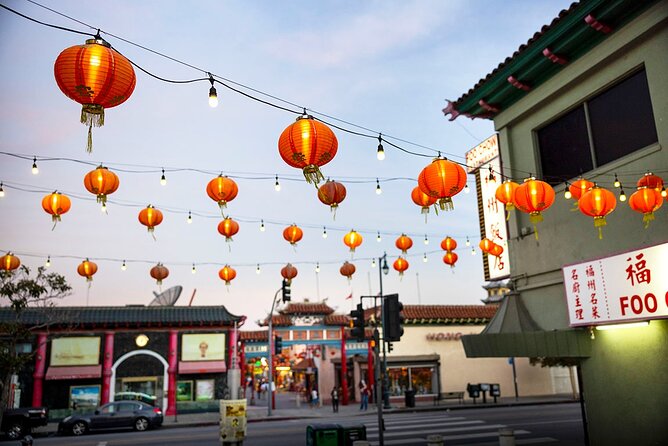
You begin in Chinatown, where the day’s energy gets set quickly. The tour gives you about an hour here, and the point isn’t just to pass through. Chinatown is one of LA’s best places to see how immigration, community, and business shape a neighborhood over time—and how food becomes a language people speak daily.
What I like about starting here: it gives your taste buds a baseline and your brain a framework. You’re not jumping randomly from one culture to another. You’re building understanding as you go.
This stop works well if you:
- like savory bites and trying items you might not order on your own
- enjoy learning while you eat, not after you’re full
A small practical note: Chinatown is busy in general, so you’ll want to keep a steady pace and pay attention to your guide’s regroup times.
More Los Angeles outings we have rated and written up
Calle Olvera: LA’s oldest street for sights and quick bites
Next you walk along Calle Olvera, described as LA’s oldest street and the historical birthplace of the city. You get about 25 minutes, so this is a shorter stop. Think of it as a reset: visual context, a quick taste window, and a break from the longer food rhythm.
What makes this worth your attention is the contrast. Chinatown-to-Calle Olvera isn’t just geography. It’s layers of LA’s story that you can actually feel through the streets.
This segment is a good moment to slow down your photo-taking a touch. You’re on a tight route, so you’ll want shots that capture the street energy and the food signs—not just a hundred street corners.
Avila Adobe: when a home becomes a timeline
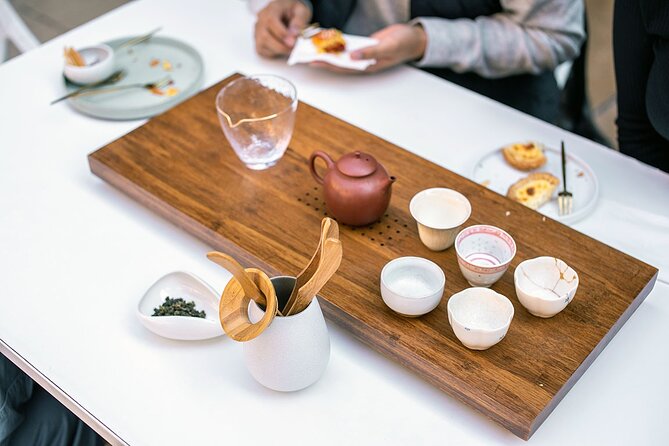
You then make a 30-minute stop at Avila Adobe, recognized as LA’s oldest residence. Even if you’re not a hardcore history person, this stop helps connect food to place. Businesses don’t pop up in a vacuum; communities grow, adapt, and build around what came before.
For me, this is the “pause and understand” portion of the tour. You get a tangible landmark, and then you move forward to the next food culture with a clearer sense of how LA layers itself.
The drawback here is also simple: it’s not an art museum type of long visit. If you want lots of time inside a site, this is more of a focused look than a deep stay.
Little Tokyo: sushi and mochi in pedestrian-friendly backstreets
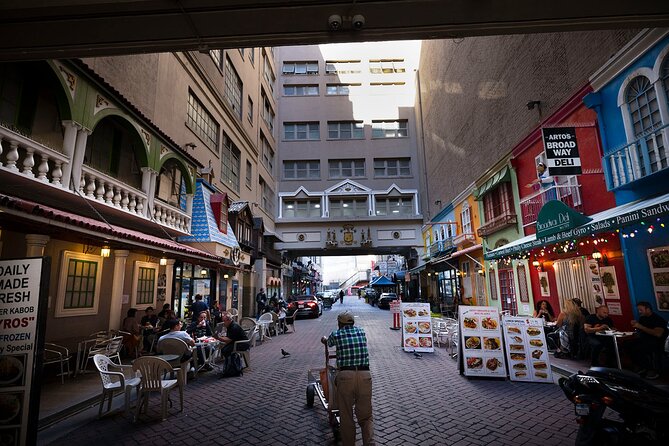
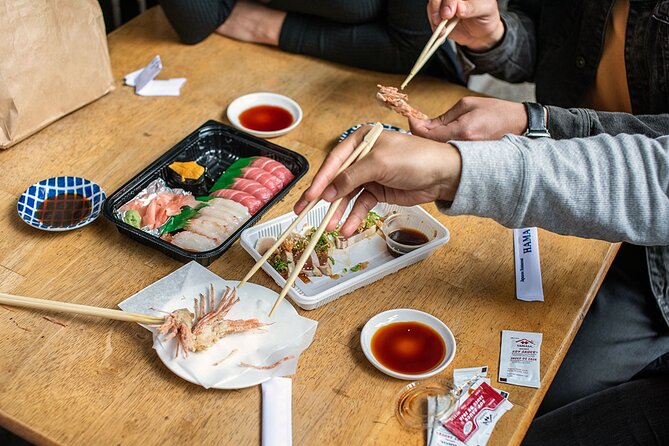
Then the tour shifts gears into Little Tokyo. You spend about 1 hour here, and the food focus is very clear: authentic Japanese food in America, including sushi and artisanal mochi.
I like this stop for two reasons:
1) It’s the clearest “food payoff” block on the route—more time, more variety.
2) The tour keeps you walking through backstreets, which makes it feel like a neighborhood you can actually navigate, not just a sightseeing corridor.
One practical tip: Japanese food portions can be small but intense in variety. You’re likely sampling multiple items, so try to pace yourself. Save your biggest enthusiasm for the later bites—especially if you like mochi.
This is the part of the day most worth showing up ready for. If you arrive hungry and comfortable, this stop can become the highlight.
Bradbury Building: a film-famous building with a foodie’s stop time
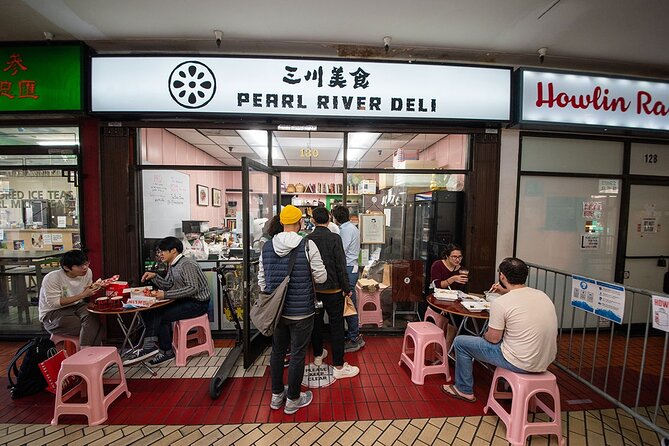
After Little Tokyo, you visit the Bradbury Building for about 25 minutes. It’s famous as a key setting in Blade Runner, and you’ll see it as part of your walk through downtown.
Here’s why this matters even on a food tour: LA food scenes are tied to LA buildings, streets, and visual culture. This is one of those moments where your brain goes, oh right—LA isn’t only about meals. It’s also about how stories and people shape the city’s look.
Expect it to be a scenic and photo-friendly pause rather than a long stop. If you’re hoping for a detailed interior visit, you may find the time is brief, so use it to grab a few good angles and then keep moving.
Grand Central Market: the downtown finale with “hidden vendor” energy
The day ends at Grand Central Market, a busy downtown market that functions like a civic center. You’ll be there for about 1 minute listed in the schedule, but in practice, this is usually a market stop where you’re tasting and moving through vendor counters as the guide directs you.
What I like about this finale:
- It’s a natural place to land because it concentrates lots of food styles in one shared space.
- The tour frames it as a spot where you find vendors you might otherwise miss—people who don’t live on one specific restaurant block.
If you want to keep the momentum after the tour, this is also a great place to think about dinner. Even if the tour already feeds you, you’ll likely want to remember smells and flavors and come back another day.
One more helpful detail from the experience feedback: some people bring the last tasting back with them after the tour. That means it’s smart to be mentally ready for takeaways, not just in-the-moment bites.
Guides: why Jannine and Ulysses make the day feel personal
Food tours can be hit-or-miss depending on the guide. The best part here is that the guidance feels human and tuned to the group.
In particular, Jannine and Ulysses show up in the experience with a strong theme: local storytelling paired with attentiveness. One person noted their guide kept things interesting and paid attention to small needs like comfort. Another mentioned clean bathroom stops being part of the day, which sounds minor until you’re actually on a 4-mile walk with tastings.
That attentive pacing is a real value. You’re more likely to get meaningful explanations instead of facts read at speed while everyone battles for the next photo.
Who should book this LA food tour
This one is a great match if you:
- want a neighborhood-to-neighborhood day that mixes Chinatown, Little Tokyo, and downtown
- love food variety and don’t want to gamble on choosing the one restaurant
- like your travel with a bit of context, not only a checklist of places
- prefer walking to bus rides, so you enjoy getting your steps in
It may be less ideal if you:
- hate walking and want a mostly seated experience
- want a low-cost tour where food sampling is the only line item you care about
- expect a massive, time-consuming deep-dive at each historic stop
Should you book this LA food tour?
I’d book it if your ideal LA day looks like this: walk through central neighborhoods, taste multiple cuisines, and learn why those neighborhoods developed the way they did. With a small group size, English guidance, and tastings spread across several food-focused stops, it’s built for people who want variety and story in the same afternoon.
I’d hesitate only if $175 feels like a stretch for your budget and you’ve done several similar tours already. In that case, compare what you’d get elsewhere—because this one shines when you’re excited to try new foods and walk the city on purpose.
FAQ
How long is the LA Food Tour?
It lasts about 5 hours 30 minutes.
What time does the tour start, and where do I meet?
The tour starts at 10:45 am at Chinatown West Gate, 954 N Hill St, Los Angeles, CA 90012.
Where does the tour end?
The tour ends back at the same meeting point.
How many people are in each group?
The tour has a maximum of 7 travelers.
Is the tour offered in English?
Yes, it is offered in English.
What stops are included on the route?
You’ll visit Chinatown, Calle Olvera, Avila Adobe, Little Tokyo, the Bradbury Building, and Grand Central Market.
Is there a cancellation option with a full refund?
Yes. You can cancel up to 24 hours in advance for a full refund. If it’s canceled due to poor weather, you’ll be offered a different date or a full refund.
More Tours in Los Angeles
- Warner Bros. Studio Tour Hollywood
★ 4.5 · 5,246 reviews - Hollywood, Beverly Hills & Celebrity Homes Tour by Open Air Bus
★ 5.0 · 2,557 reviews - Hollywood Sign 2.5-Hour Tour with Comedians and Their Dogs
★ 5.0 · 2,496 reviews - Full-Day LA Tour: Santa Monica, Hollywood and Beverly Hills
★ 5.0 · 2,431 reviews - Hollywood and Celebrity Homes Bus Tour
★ 4.5 · 2,074 reviews
More Tour Reviews in Los Angeles
- Full-Day Iconic Sights of LA, Hollywood, Beverly Hills, Beaches and More
★ 5.0 · 6,147 reviews - Warner Bros. Studio Tour Hollywood
★ 4.5 · 5,246 reviews - Hollywood, Beverly Hills & Celebrity Homes Tour by Open Air Bus
★ 5.0 · 2,557 reviews - Hollywood Sign 2.5-Hour Tour with Comedians and Their Dogs
★ 5.0 · 2,496 reviews - Full-Day LA Tour: Santa Monica, Hollywood and Beverly Hills
★ 5.0 · 2,431 reviews
More Bites Around Los Angeles
- Downtown Los Angeles Food Tour
★ 5.0 · 501 reviews - LA Venice Beach Hidden Gems Food Tour With 6 Food Tastings
★ 5.0 · 337 reviews - Beverly Hills Food Tour with Gourmet Tastings and Drinks
★ 5.0 · 82 reviews - West Hollywood Food Tour
★ 4.5 · 54 reviews - Los Angeles Walking Food Tour with Six Taste
★ 5.0 · 49 reviews
Keep exploring Los Angeles: fresh reviews from around town
Los Angeles Food Tours, compared.
 ★ 5.0Downtown Los Angeles Food TourFrom $89501 reviews
 ★ 5.0LA Venice Beach Hidden Gems Food Tour With 6 Food TastingsFrom $98337 reviews
 ★ 5.0Beverly Hills Food Tour with Gourmet Tastings and DrinksFrom $18982 reviews
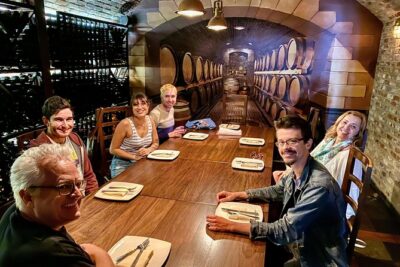 ★ 4.5West Hollywood Food TourFrom $9954 reviews
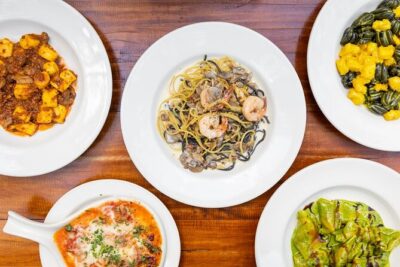 ★ 5.0Los Angeles Walking Food Tour with Six TasteFrom $11049 reviews
The Original Taco Tour Santa MonicaFrom $14944 reviews
★ 5.0Los Angeles Walking Food Tour with Six TasteFrom $11049 reviews
The Original Taco Tour Santa MonicaFrom $14944 reviews
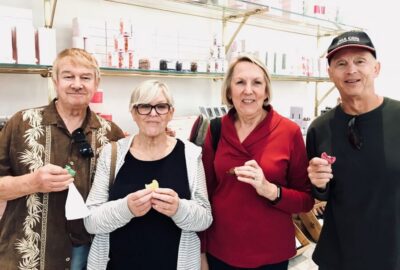 ★ 4.6Downtown Food TourFrom $8943 reviews
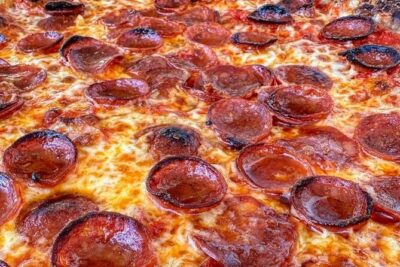 ★ 5.0Silverlake Food Tour with Comedian GuideFrom $5932 reviews
Browse the lists this tour appears in