
Review · TOURS
Holy Biodiversity, Batman! A Naturalist’s “Batcaves” Tour
Griffith Park has a way of making Hollywood feel real. This hour-long Batcaves-style walking tour from Earth City Wonder pairs the Bronson Caves film location with hands-on nature lessons, so you leave with both LA trivia and plant-and-land knowledge. You’ll start at 2818 Canyon Dr, walk toward the exterior quarry tunnel area, and hear why this park matters far beyond the TV screen.
I especially like the up-close plant approach: you’re prompted to smell local species, learn common uses, and understand the plant communities that hold this hillside together. I also like that the guide ties the scenery to real living things and real stories, from laurel sumac and citrus connections to the mountain lion lore around P-22.
One thing to consider: the main tunnel area is closed to the public, so this is about the setting and the exterior views, not going inside. Also, since it runs only in good weather, hot or bad-weather days can affect scheduling.
In This Review
- Key things that make this tour worth your time
- Batcaves in Griffith Park: the short walk that feels like movie grounding
- Starting at Canyon Dr: what your first minutes will feel like
- Stop 1: Bronson Caves and the quarry tunnel story behind the TV fame
- Stop 2: Griffith Park on foot, with plant smells and hands-on nature lessons
- The plants tell a story: hollyleaf cherries, mulefat, and sycamore in context
- Laurel sumac and citrus: how a hillside plant connects to Orange County
- P-22 the mountain lion: LA wildlife lore with real ecology underneath
- At the Batcaves: pop culture legacy meets geology, without the inside access
- Price and value: why $35 works better than it looks
- Timing, weather, and the reality of an outdoor hour in LA
- What to bring (and what to wear) so you enjoy the walk
- Who this tour is best for (and who might prefer a different plan)
- Should you book this Batcaves-style naturalist tour?
- FAQ
- What is the duration of the tour?
- Where does the tour start?
- What time does the tour start?
- What will I see at the Batcaves area?
- What should I bring?
- Is the tour good for beginners or most fitness levels?
- Is the tour weather-dependent and can I cancel?
Key things that make this tour worth your time
- Plant-scent learning: You’ll use your senses to understand species and what they’re good for.
- Bronson Caves stop: A short hike to the 1960s Batman exterior filming location, with quarry history in context.
- Small group feel: Maximum group size is 15, which keeps the pace comfortable and questions easy.
- Wildlife spotting tips: You’ll be told what to watch for, from rattlesnakes and tarantulas to coyotes and bobcats.
- LA storytelling: The tour connects ecology to local history themes, including laurel sumac and P-22.
Not sure which one to book yet? Here are more Los Angeles tours our reviewers have actually been out on.
- Full-Day Iconic Sights of LA, Hollywood, Beverly Hills, Beaches and More★ 5.0 · 6,147 reviews
- Warner Bros. Studio Tour Hollywood★ 4.5 · 5,246 reviews
- Hollywood, Beverly Hills & Celebrity Homes Tour by Open Air Bus★ 5.0 · 2,557 reviews
Batcaves in Griffith Park: the short walk that feels like movie grounding
This tour works because it doesn’t treat the Batcaves theme like a gimmick. It uses the famous Bronson Caves area as the hook, then gets practical fast: what you’re standing on, what’s growing around you, and why animals and humans ended up paying attention here.
You’ll be moving at a walking pace for about an hour total (about 60 minutes). That makes it a nice option if you want an outdoor experience without committing to a long hike day. And since the group is capped at 15 people, the guide can actually slow down enough for the nature talk to land.
For most people, it’s a straightforward outing. You’ll still want good shoes because you’re walking a trail and up/down the canyon approach. The tour also comes with a clear “be prepared” list—think hat, sunscreen, and water—because Griffith Park can get hot and sunny.
Starting at Canyon Dr: what your first minutes will feel like
The meet-up point is 2818 Canyon Dr, Los Angeles, CA 90068, and the tour starts at 9:30 am. You return there when it ends, so you’re not dealing with a confusing end location.
The early minutes are about orientation. You’ll begin at the Bronson Caves parking area (Canyon Drive entrance of Griffith Park) and then start noticing the plants as you go. The walk up the road gives you an easy warm-up before you turn onto the short trail toward the cave exterior.
As you move, the guide calls out species you can actually see and name. You’re likely to hear about hollyleaf cherries, mulefat, and sycamore trees along the route. That matters because it trains your eye for what you’ll keep seeing later, not just the one famous landmark.
Stop 1: Bronson Caves and the quarry tunnel story behind the TV fame
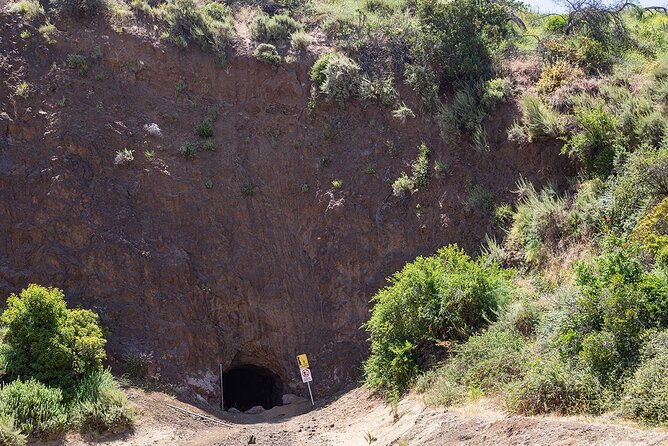
The Bronson Caves portion is about 15 minutes. This is where the Batman connection becomes real in your hands and eyes: you’ll head to the exterior shooting location tied to the 1960s Batman TV series.
But the best part here is that the tour doesn’t stop at pop culture. You’ll learn how the spot became iconic because it started as a quarry tunnel, and how the geology and quarry history helped create the dramatic setting people wanted on camera. It’s the kind of explanation that makes you look at rock formations differently—less like scenery, more like evidence.
Even if you’re not a die-hard Batman fan, this stop is useful. Quarry areas show how people reshaped the ground, and that reshaping affects soil, drainage, and what grows afterward. In other words, the film location becomes a gateway into “how California forms and functions.”
Stop 2: Griffith Park on foot, with plant smells and hands-on nature lessons
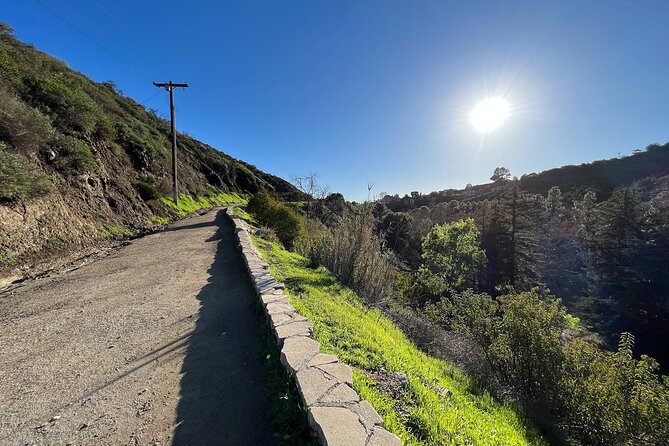
The walking portion toward the rest of Griffith Park is about 45 minutes, and it’s where the tour earns its nature-naturalist vibe. This is not just “look at that tree.” You’ll get prompted to engage—especially through smells and uses of local plants.
Here’s what that means for your brain: when you smell a plant and connect it to a practical use, you remember it. The guide’s approach is built around that sensory memory. Instead of relying on a photo later, you build associations right there on the slope.
You’ll also hear how different plant communities fit together and what that says about local conditions. That’s valuable because it helps you read the hillside even when you aren’t on a tour. You start asking, “Why does this species grow here and not there?”
And yes, you’ll be told to keep your eyes peeled for wildlife. The tour specifically flags rattlesnakes and tarantulas (watching, not chasing), along with coyotes and bobcats. You won’t be guaranteed sightings, but being told what to look for changes your walk from passive to alert.
The plants tell a story: hollyleaf cherries, mulefat, and sycamore in context
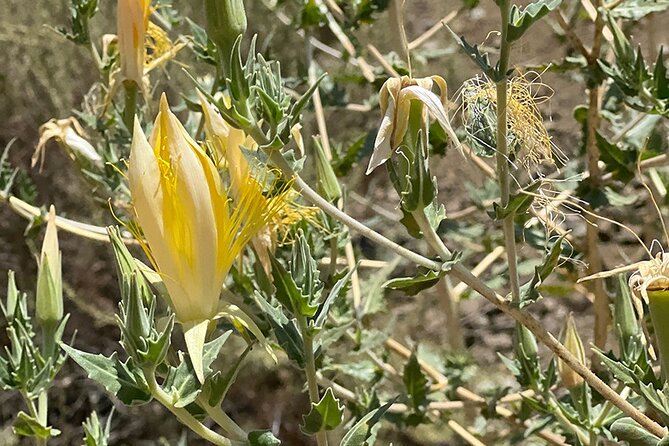
It’s easy to walk through a park and remember a few pretty trees. What you’ll get here is the way the tour connects common species to bigger patterns.
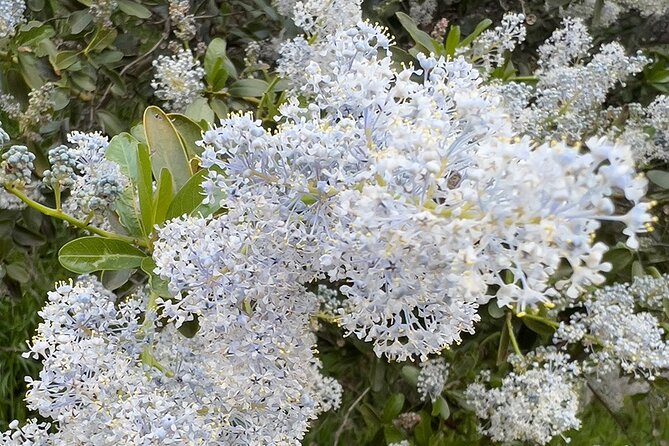
For example, the route includes hollyleaf cherries and mulefat before the trail turns. Sycamore trees show up along the road too. The way the guide highlights these plants helps you notice which ones seem more drought-ready versus which ones suggest different micro-conditions.
This matters in Griffith Park because the park sits within a larger California ecology where temperature, sun exposure, and drainage can shift quickly. So even within a small walking radius, the “answer” to what grows where can change.
If you tend to forget plant names, don’t worry. The tour format leans on repeated cues: you see the plant, you learn a scent/use connection, and you’re given the story behind why it’s part of the local community.
Laurel sumac and citrus: how a hillside plant connects to Orange County
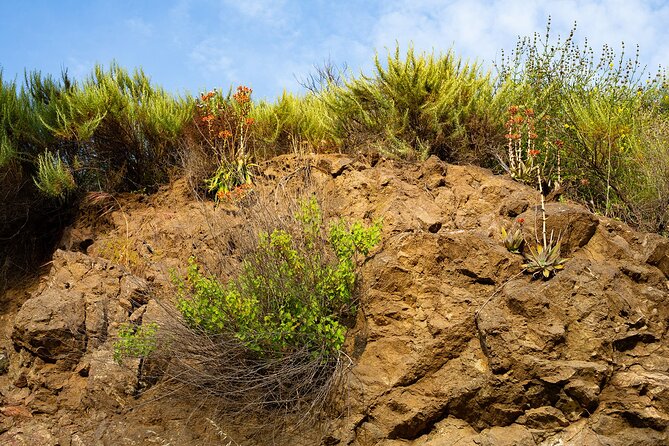
One of the coolest moments of the tour is the way it ties a plant name to a local human industry story. You’ll learn how laurel sumac connects to Orange County’s citrus industry.
That’s the kind of detail that makes the tour feel like more than sightseeing. It shows that California plants aren’t only decorative—they were part of working landscapes and local economies. Even if you’ve never thought about sumac and citrus before, the idea sticks: plants you see near a hiking trail can connect to how people farmed, processed, and used local materials.
This theme also helps you understand why naturalists care about plant communities. The species you find aren’t random. They’re part of a living system shaped by climate, soil, and human choices over time.
P-22 the mountain lion: LA wildlife lore with real ecology underneath
Another story you’ll hear is about P-22, often described as the Brad Pitt of mountain lions. It’s pop-friendly phrasing, but the lesson underneath is serious: mountain lions don’t live in isolation, and animals survive by using habitat corridors and adapting to a changing city-edge world.
You’ll pair that conversation with practical awareness. The guide encourages you to watch for signs and consider the kinds of animals that could be out in the park. Coyotes, bobcats, and other wildlife can fit into this kind of environment, depending on season and time of day.
Even if you don’t spot an animal, the shift in mindset is what counts. You start reading the park as a shared space with feeding routes, cover, and risks—not just as a walking path.
At the Batcaves: pop culture legacy meets geology, without the inside access
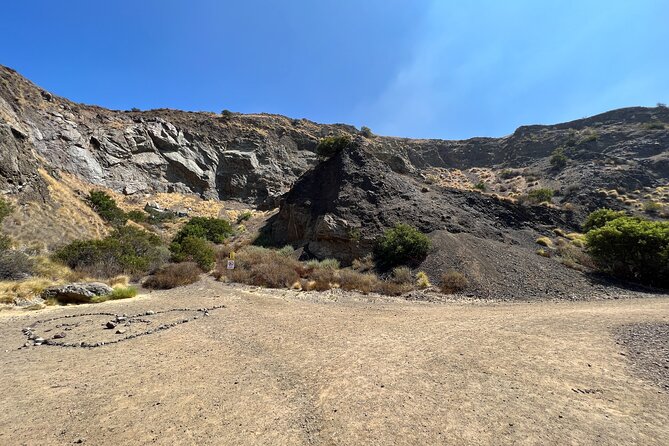
The tour ends up at the Batcaves exterior area for reflection on both pop culture legacy and geological origins. The important note: the tunnel is closed to the public, so you won’t be going inside.
That actually can make the stop more meaningful. When you can’t wander into the famous space, you focus on what’s around it: the rock setting, the forms created by quarrying, and how the surrounding plant life fits the physical shape of the area.
You’ll also get a clear sense of why the location worked so well for 1960s Batman scenes. The “look” wasn’t pulled out of nowhere—it came from real terrain created by human extraction and then reclaimed by nature.
If you’re coming for cinematic nostalgia only, you may feel slightly redirected. If you’re coming to understand place—how land and living things create stories—this stop delivers.
Price and value: why $35 works better than it looks
At $35 per person for about an hour, this tour isn’t trying to be a budget hike, and it also isn’t pretending to be a premium private guide experience. It hits a reasonable mid-range value point, especially because the tour includes admission tickets for the stops.
Here’s how I’d judge value for this specific experience: you’re paying for (1) a structured, guided walk in a famous area, (2) an educational lens that teaches you how to spot and understand plants, and (3) a small group cap that keeps the experience from turning into a quick stamp-and-go.
With a maximum of 15 people, the guide can afford to slow down for scent-based plant moments and wildlife discussion. That’s where small-group structure becomes real value, not just a marketing line.
Also, the tour is commonly booked about 5 days in advance on average. That’s a hint to reserve ahead if you’re traveling around popular weekends or school breaks. Waiting too long can shrink your options.
Timing, weather, and the reality of an outdoor hour in LA
This tour is scheduled to run around 9:30 am and runs about an hour. That timing is practical in Griffith Park, where sun and heat can turn a fun walk into a sweaty slog fast.
The other reality: it requires good weather. If conditions are poor enough, you’ll be offered a different date or a full refund. That matters because you’re relying on a walking experience and trail access—not museum comfort.
So I’d treat the reservation like a weather-sensitive plan. If forecast shows heat, bring what the tour suggests: water, sunscreen, and a hat. You’ll enjoy the plant lessons more when you’re not distracted by the sun.
What to bring (and what to wear) so you enjoy the walk
The essentials are spelled out for a reason. Bring good shoes, a hat, sunscreen, and water. Even though the total duration is about an hour, you’re still walking on trails and up the approach.
If you forget something, the tour won’t become a disaster, but you’ll feel it quickly:
- If you don’t have water, the “smell plants and listen” part becomes a “survive the sun” part.
- If you don’t wear proper shoes, rocky footing and uneven ground can get annoying fast.
Also, mobile ticket use means you can travel light—just make sure your phone battery is healthy so you don’t scramble at check-in.
Who this tour is best for (and who might prefer a different plan)
This tour is a strong fit if you like a guided nature walk with a story. It works for people who enjoy learning through senses (smell-based plant cues) and who want a mix of ecology and LA pop culture.
It also fits travelers who don’t want a long hike. The pace is built around a short hike segment plus a longer scenic walk, so you get a meaningful experience without burning half your day.
If you’re expecting a rugged backcountry expedition, you might feel underwhelmed. The tunnel is closed, and the walk is framed as an accessible outdoors outing with clear guidance.
On the plus side, the tour indicates most people can participate, and service animals are allowed, so it’s designed with a broad audience in mind.
Should you book this Batcaves-style naturalist tour?
If you want Griffith Park to be more than a checkbox, I’d book this. The value comes from the combination: Bronson Caves exterior filming location + hands-on plant sensing + practical wildlife awareness, all within an hour and for a clear price.
I’d especially recommend it if you enjoy learning in the moment—standing in place, pointing at plants, and hearing how ecology connects to LA stories like citrus and P-22. You’ll leave with a refreshed way to look at the hillside, not just a photo of a cave entrance.
Book it when the forecast looks good, bring the basics (shoes, water, hat, sunscreen), and plan to slow down for the plant lessons. If you do that, this tour feels like the best kind of LA mash-up: movie nostalgia with a real nature brain turned on.
FAQ
What is the duration of the tour?
The tour runs for about 1 hour.
Where does the tour start?
The meeting point is 2818 Canyon Dr, Los Angeles, CA 90068, and the tour ends back at the same place.
What time does the tour start?
The start time listed is 9:30 am.
What will I see at the Batcaves area?
You’ll visit the Bronson Caves exterior filming location and the surrounding area connected to the Batcaves theme. The tunnel itself is closed to the public.
What should I bring?
Bring good shoes, a hat, sunscreen, and water.
Is the tour good for beginners or most fitness levels?
The tour notes that most travelers can participate.
Is the tour weather-dependent and can I cancel?
Yes, it requires good weather. If it’s canceled due to poor weather, you’ll be offered a different date or a full refund. You can cancel for a full refund if you do so at least 24 hours before the experience starts.
More Tours in Los Angeles
- Warner Bros. Studio Tour Hollywood
★ 4.5 · 5,246 reviews - Hollywood, Beverly Hills & Celebrity Homes Tour by Open Air Bus
★ 5.0 · 2,557 reviews - Hollywood Sign 2.5-Hour Tour with Comedians and Their Dogs
★ 5.0 · 2,496 reviews - Full-Day LA Tour: Santa Monica, Hollywood and Beverly Hills
★ 5.0 · 2,431 reviews - Hollywood and Celebrity Homes Bus Tour
★ 4.5 · 2,074 reviews
More Tour Reviews in Los Angeles
- Full-Day Iconic Sights of LA, Hollywood, Beverly Hills, Beaches and More
★ 5.0 · 6,147 reviews - Warner Bros. Studio Tour Hollywood
★ 4.5 · 5,246 reviews - Hollywood, Beverly Hills & Celebrity Homes Tour by Open Air Bus
★ 5.0 · 2,557 reviews - Hollywood Sign 2.5-Hour Tour with Comedians and Their Dogs
★ 5.0 · 2,496 reviews - Full-Day LA Tour: Santa Monica, Hollywood and Beverly Hills
★ 5.0 · 2,431 reviews
Keep exploring Los Angeles: fresh reviews from around town



Tours, compared.
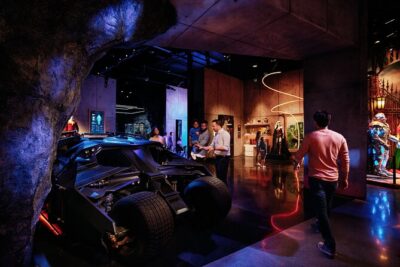 ★ 4.5Warner Bros. Studio Tour HollywoodFrom $765,246 reviews
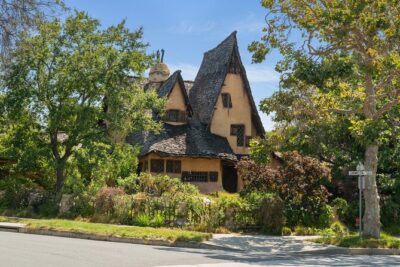 ★ 5.0Hollywood, Beverly Hills & Celebrity Homes Tour by Open Air BusFrom $392,557 reviews
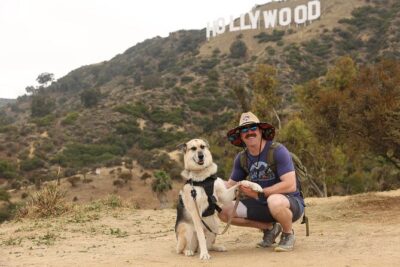 ★ 5.0Hollywood Sign 2.5-Hour Tour with Comedians and Their DogsFrom $152,496 reviews
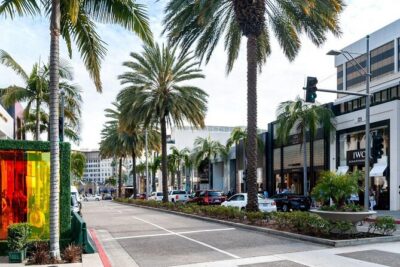 ★ 5.0Full-Day LA Tour: Santa Monica, Hollywood and Beverly HillsFrom $952,431 reviews
 ★ 4.5Hollywood and Celebrity Homes Bus TourFrom $392,074 reviews
 ★ 3.7Hop-On Hop-Off Bus Tour with Audio GuideFrom $512,030 reviews
 ★ 5.0Half Day Best of Los Angeles Guided City TourFrom $691,966 reviews
 ★ 4.5Hollywood Open Bus ToursFrom $301,801 reviews